

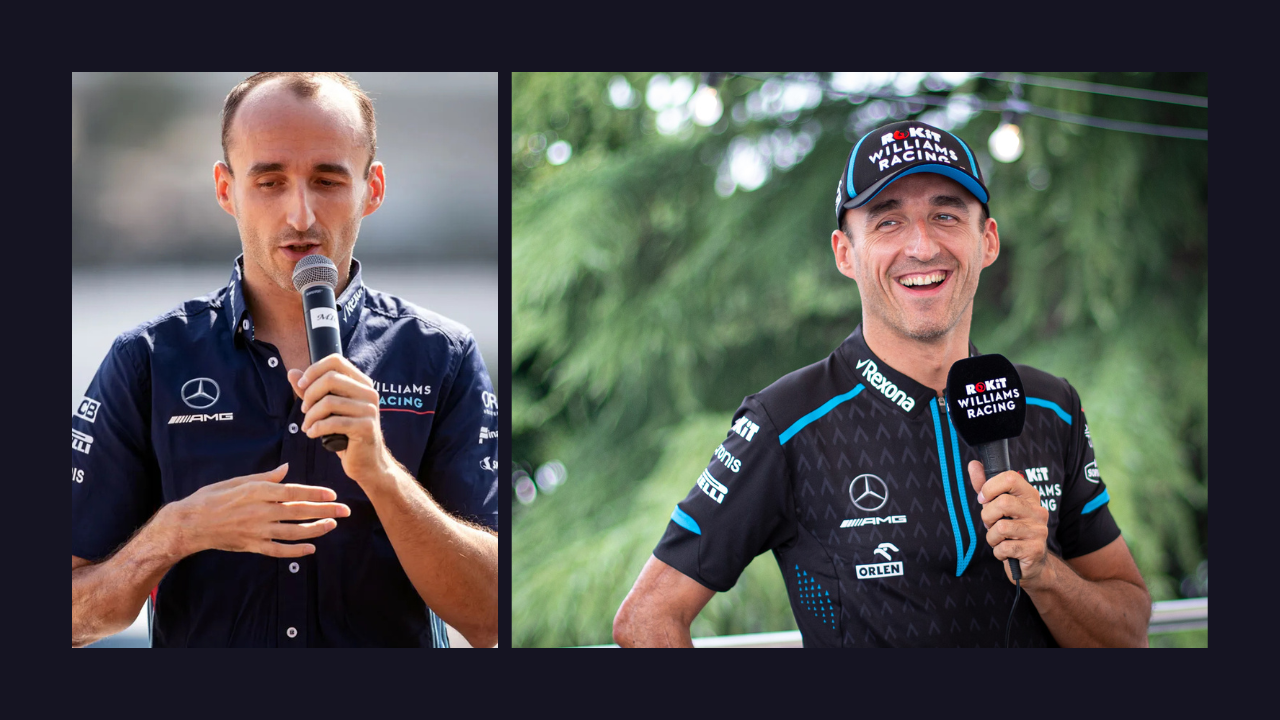
Robert Kubica The Early Days of a Motorsport Prodigy
Long before Robert Kubica became a familiar name in the world of Formula One, he was just a young boy from Kraków, Poland, with an obsession for speed. Growing up in a country with limited motorsport opportunities, Kubica’s passion stood out like a spark in the dark. As a child, he would steer anything he could get his hands on—from bicycles to remote-controlled cars—before stepping into his first kart at just ten years old.
What made Kubica different even back then was his natural feel for racing. His understanding of vehicle behavior and his aggressive yet calculated style were rare for someone so young. It didn’t take long for him to seek out stiffer competition beyond Poland’s borders. Soon, he found himself in Italy—home of world-class karting—racing against the very best and honing his craft alongside future Formula One stars.
Rising Through the Ranks: Karting to Formula Series
Transitioning from karting to single-seaters is never easy, but Kubica made it look effortless. After racking up wins in junior karting championships, he advanced to more competitive formats like Formula Renault and Formula 3. At every level, he proved he was not just another fast driver—he had something extra. Engineers praised his technical feedback, and race commentators noticed his cool confidence under pressure.
His breakout came in the Formula Renault 3.5 Series, where he clinched the 2005 championship. That win solidified what many already believed: Robert Kubica was ready for Formula One. His bold racing style, combined with sharp intelligence behind the wheel, made him stand out in a field filled with talent. It wasn’t a matter of if he’d reach Formula One—it was when.
Entering Formula One: Making History with BMW Sauber
In 2006, Robert Kubica made his Formula One debut with BMW Sauber, becoming the first Polish driver in F1 history. It was a proud moment for Poland and a significant step for Eastern European motorsport. But Kubica didn’t just show up—he made an instant impact. By his third race, he had already earned a podium finish at Monza, impressing teams and fans alike.
Kubica’s style was precise and fearless. He quickly built a reputation for pushing the limits of any car he was given. Even if his machine wasn’t the fastest on the track, he squeezed every drop of performance out of it. Teammates, engineers, and competitors began to view him as one of the most dependable and technically gifted drivers on the grid.
Breakthrough Moment: The 2008 Canadian Grand Prix Victory
The high point of Kubica’s F1 career came in 2008 at the Canadian Grand Prix. The race in Montreal was chaotic, with pit-lane confusion and strategy blunders by rivals. Amid the chaos, Kubica kept his cool, executed a flawless strategy, and took home his first—and only—Formula One victory.
That win made history, marking the first time a Polish driver stood on the top step of an F1 podium. It was more than a personal milestone; it was a national triumph. For a brief moment that year, Kubica led the F1 Drivers’ Championship, proving that he had both the skill and the temperament to go toe-to-toe with the sport’s best. The Polish motorsport community exploded with pride.
The Devastating Rally Crash That Changed Everything
Just as his Formula One career seemed to be reaching its peak, tragedy struck. In 2011, during a rally event in Italy—a hobby he used to keep his reflexes sharp—Kubica’s car struck a metal barrier. The rail pierced the car’s cockpit, resulting in life-threatening injuries. His right arm was partially severed, and the situation was dire.
The motorsport world held its breath. Multiple surgeries saved his life and restored limited function to his arm, but few believed he would ever race in Formula One again. In a sport where control and precision are everything, the odds were stacked against him. But Kubica wasn’t ready to give up.
Comeback Against All Odds: Kubica’s Return to F1
Robert Kubica’s road to recovery was a story of sheer willpower. He refused to let the accident define his career. He worked tirelessly to adapt his driving technique and regain strength. While his right arm would never be the same, he found ways to make up for it through modified steering setups and creative training.
By 2017, whispers of a comeback began to circulate. Kubica tested with Renault and then with Williams. Slowly but surely, he proved that he still had what it took. In 2019, he completed the ultimate comeback—lining up on the grid as a full-time F1 driver for Williams. The car was far from competitive, but that didn’t matter. His return to the sport was a victory in itself—a symbol of perseverance in the face of unimaginable odds.
Role as a Reserve and Development Driver
After 2019, Kubica shifted focus to supporting roles in F1. He became a test and reserve driver for Alfa Romeo, contributing behind the scenes with car development, simulator work, and race strategy planning. While fans didn’t always see his influence, teams appreciated his deep technical knowledge and laser-sharp insights.
Kubica became a trusted advisor, helping engineers troubleshoot complex issues and fine-tune race setups. His feedback from simulator tests often translated into measurable improvements on race day. Though he wasn’t in the spotlight, his contributions remained vital to the team’s progress.
Robert Kubica in Endurance Racing and DTM
Not content to step away from competitive racing, Robert Kubica took on new challenges in other motorsport arenas. In 2020, he entered the DTM (Deutsche Tourenwagen Masters) series with BMW. DTM cars are heavy, fast, and tricky to handle—nothing like Formula One. Yet Kubica once again adapted.
Though he faced a steep learning curve, he eventually scored a podium at Zolder, proving he could still battle with the best. He then turned his attention to endurance racing, competing in the FIA World Endurance Championship and the European Le Mans Series. In 2021, driving for Team WRT, Kubica and his teammates clinched the ELMS championship—adding yet another major title to his name.
Endurance racing played to Kubica’s strengths: strategic thinking, consistency, and teamwork. His ability to manage long stints, tires, and traffic proved invaluable in a category where mental toughness often matters more than raw speed.
READ MORE: Cody Garbrandt’s Comeback Story
Legacy, Impact on Polish Motorsport, and Personal Resilience
Robert Kubica is more than a racer—he’s a national icon in Poland. Before him, motorsport had little mainstream visibility in the country. After him, karting clubs saw a surge in interest, and Polish flags began to wave proudly at tracks all over the world.
His influence reaches far beyond statistics or race wins. Kubica’s comeback after such a devastating injury redefined what was thought possible in racing. He became a symbol of resilience—not just for drivers but for anyone fighting their own battles. His humility, honesty, and unwavering love for the sport have earned him admiration that few athletes ever achieve.
Why Robert Kubica’s Story Still Inspires Motorsport Fans Today
In a sport often dominated by glamour and perfection, Robert Kubica stands as a reminder of the power of perseverance. He didn’t win multiple championships, but he won hearts. His journey is about rising, falling, and rising again—stronger, wiser, and more determined.
Every motorsport fan knows how physically and mentally brutal racing can be. The fact that Kubica returned to Formula One with limited mobility in one arm is nothing short of extraordinary. He never sought sympathy. He simply showed up, put on his helmet, and raced.
Today, whether driving, mentoring, or testing behind the scenes, Kubica remains a vital presence in racing. His story continues to resonate with anyone who has ever faced a setback and wondered if they could make it back. With Robert Kubica, the answer is always: yes.
Final Reflections: The Spirit of a True Racer
Robert Kubica’s legacy is defined not by trophies but by character. He reminds us that success isn’t always measured in numbers—it’s in how you respond when everything falls apart. He fell harder than most but came back stronger than anyone expected.
From Kraków’s karting circuits to the podiums of Formula One, and through the darkest hours in a hospital bed, Kubica’s journey is one of courage and conviction. He’s not just a driver—he’s a symbol of human tenacity. And for that reason, Robert Kubica will always be remembered as one of motorsport’s most inspiring figures.
