

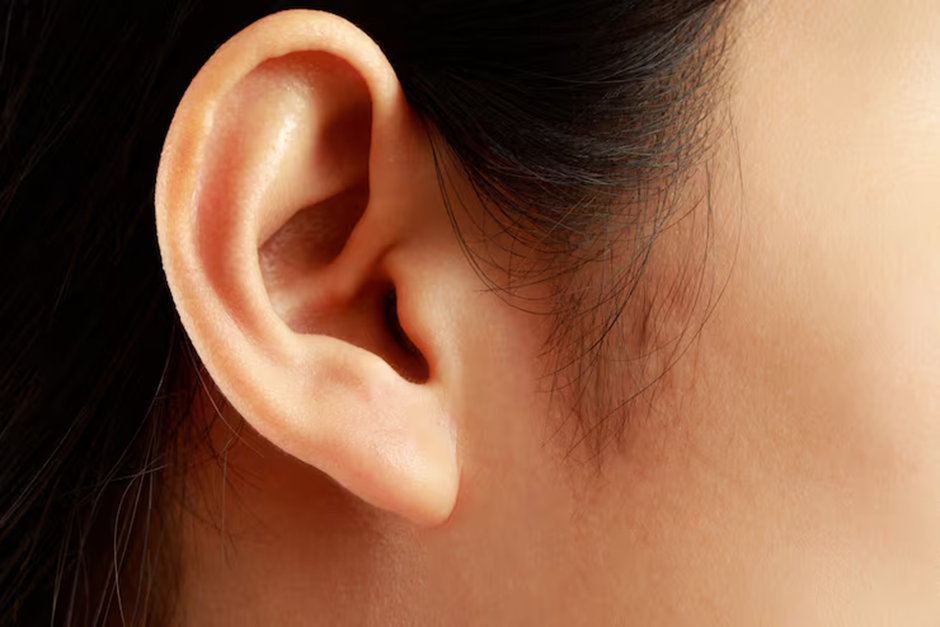
Ear shape and positioning can significantly influence overall facial harmony. Protruding, asymmetrical, or misshapen ears can affect confidence and self-esteem, even if subtle. Otoplasty in London is a specialised surgical procedure designed to reshape, reposition, or reduce the size of the ears, creating balance and proportion with the rest of the face. Unlike cosmetic procedures such as a London nose job, which focuses on the central facial features, otoplasty addresses the lateral aspects of the face, complementing other facial enhancements for a more harmonious appearance.
Understanding how otoplasty works, the techniques involved, and the expected outcomes helps patients make informed decisions about improving ear aesthetics and facial balance.
Understanding Otoplasty
Otoplasty, often referred to as “ear pinning” surgery, is a procedure that corrects various ear deformities or undesired features. Common concerns addressed through otoplasty include:
- Ears that protrude excessively from the head
- Large or uneven ears
- Ear asymmetry
- Congenital ear deformities, such as lop ears or cup ears
The procedure is not limited to children; many adults choose otoplasty to improve self-confidence and facial harmony. Unlike a London nose job, which may require adjustments to bone and cartilage within the nose, otoplasty primarily reshapes the ear cartilage to achieve the desired contour and symmetry.
Goals Of Otoplasty
The main objectives of otoplasty include:
- Reducing the prominence of protruding ears
- Creating symmetry between the ears
- Improving overall facial balance
- Enhancing patient confidence by correcting perceived imperfections
These goals are achieved through meticulous surgical techniques that respect the natural anatomy of the ear.
Surgical Techniques
Otoplasty is typically performed under local anaesthesia with sedation or general anaesthesia, depending on the patient’s age and preference. Key techniques include:
- Cartilage reshaping: Strategic incisions and sutures are used to fold and reshape the ear cartilage for a natural contour.
- Ear pinning: The ears are repositioned closer to the head to reduce prominence while maintaining natural shape.
- Reduction procedures: Excess cartilage or soft tissue may be removed to create proportionate ears.
- Asymmetry correction: Differences between the left and right ear are addressed to improve facial balance.
The surgeon carefully plans incisions, usually hidden behind the ear, to ensure minimal visible scarring and natural outcomes.
Benefits Of Otoplasty
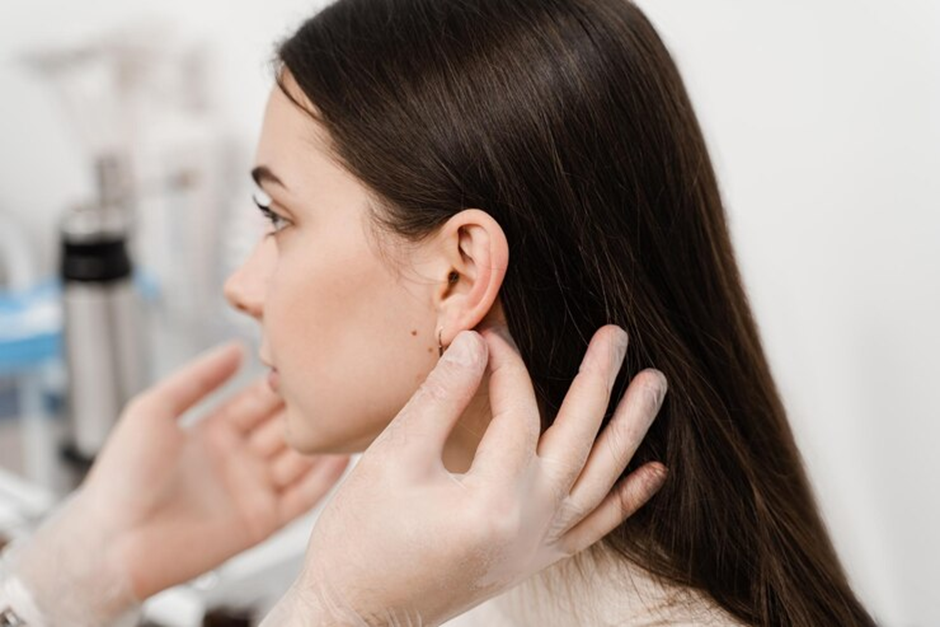
Improved Ear Shape
Otoplasty enhances the overall shape of the ear, smoothing irregularities and creating a more aesthetically pleasing contour.
Facial Symmetry
By correcting asymmetry or protrusion, the procedure restores balance to the face. This is particularly important when combined with other facial procedures like a London nose job, as proportionate ears complement the nose and overall facial features.
Boosted Confidence
Many patients experience increased self-esteem and confidence after otoplasty, particularly those who were self-conscious about their ears during social interactions.
Minimally Visible Scarring
Incisions are typically placed behind the ear or within natural folds, ensuring scars remain discreet. With proper post-operative care, scars fade over time, leaving a smooth, natural appearance.
Recovery Process
Recovery from otoplasty is generally straightforward. Patients can expect:
- Mild swelling and bruising around the ears
- Temporary discomfort managed with prescribed pain relief
- Protective dressings or headbands worn for several days to support healing
- Gradual improvement in ear contour over several weeks
Most patients can return to work or school within a week, although strenuous activities should be avoided for several weeks to ensure optimal healing.
Long-Term Results
Otoplasty provides permanent results, as the repositioned and reshaped cartilage retains its new form. Patients benefit from:
- Long-lasting ear symmetry and proportion
- Enhanced facial balance
- Improved confidence in social and professional settings
Maintaining results is straightforward, with minimal long-term care required beyond standard hygiene and sun protection.
Combining Otoplasty With Other Facial Procedures
Some patients choose to combine otoplasty with other facial enhancements for a more harmonious outcome. Procedures that complement otoplasty include:
- London nose job: Corrects nasal shape and proportions, enhancing overall facial aesthetics
- Facelift or brow lift: Improves facial symmetry and youthfulness
- Non-surgical treatments like dermal fillers or skin resurfacing: Enhance balance and soft tissue contour
When combined thoughtfully, these procedures create comprehensive facial harmony without compromising natural features.
Suitability For Otoplasty
Otoplasty is suitable for both children and adults. Ideal candidates generally:
- Are in good overall health
- Have realistic expectations about outcomes
- Desire correction of protruding, asymmetrical, or misshapen ears
A consultation with a qualified surgeon in London ensures personalised planning and appropriate surgical techniques to achieve optimal results.
Key Considerations
Before undergoing otoplasty, patients should:
- Discuss goals and desired outcomes with the surgeon
- Review before-and-after photos of similar cases
- Understand the potential for minor complications, such as infection or asymmetry
- Follow pre- and post-operative care instructions carefully
Being well-informed helps patients feel confident and ensures the best possible results.
Conclusion
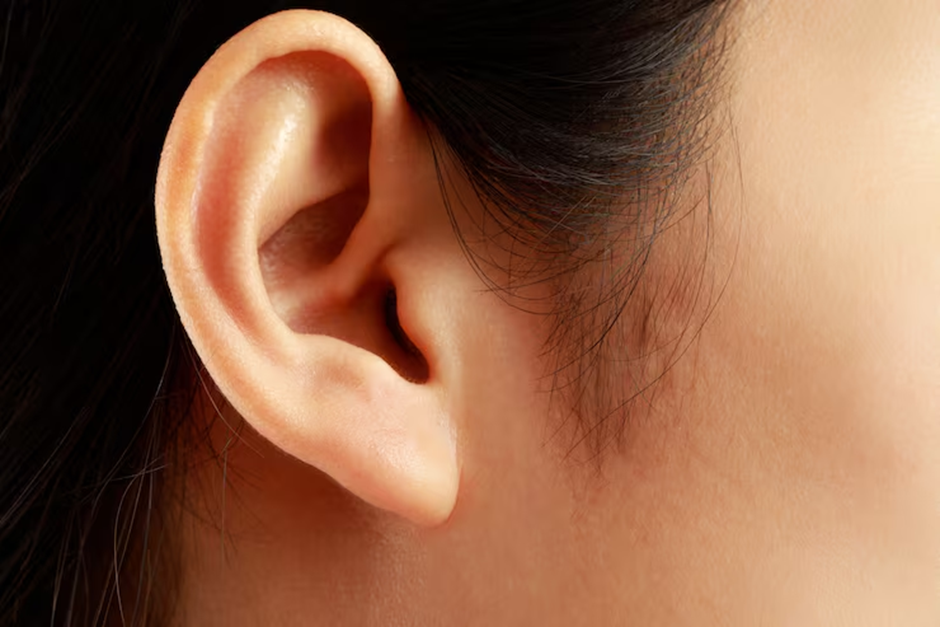
Otoplasty in London is a highly effective procedure for improving ear shape, correcting asymmetry, and enhancing facial balance. By reshaping cartilage and repositioning the ears, surgeons create a more harmonious appearance that complements other facial features, including those addressed in a London nose job. With careful planning, skilled surgical execution, and proper post-operative care, patients can achieve long-lasting, natural-looking results that boost confidence and overall facial aesthetics. This procedure offers a subtle yet transformative impact, ensuring the ears enhance rather than distract from a balanced, proportionate face.
