

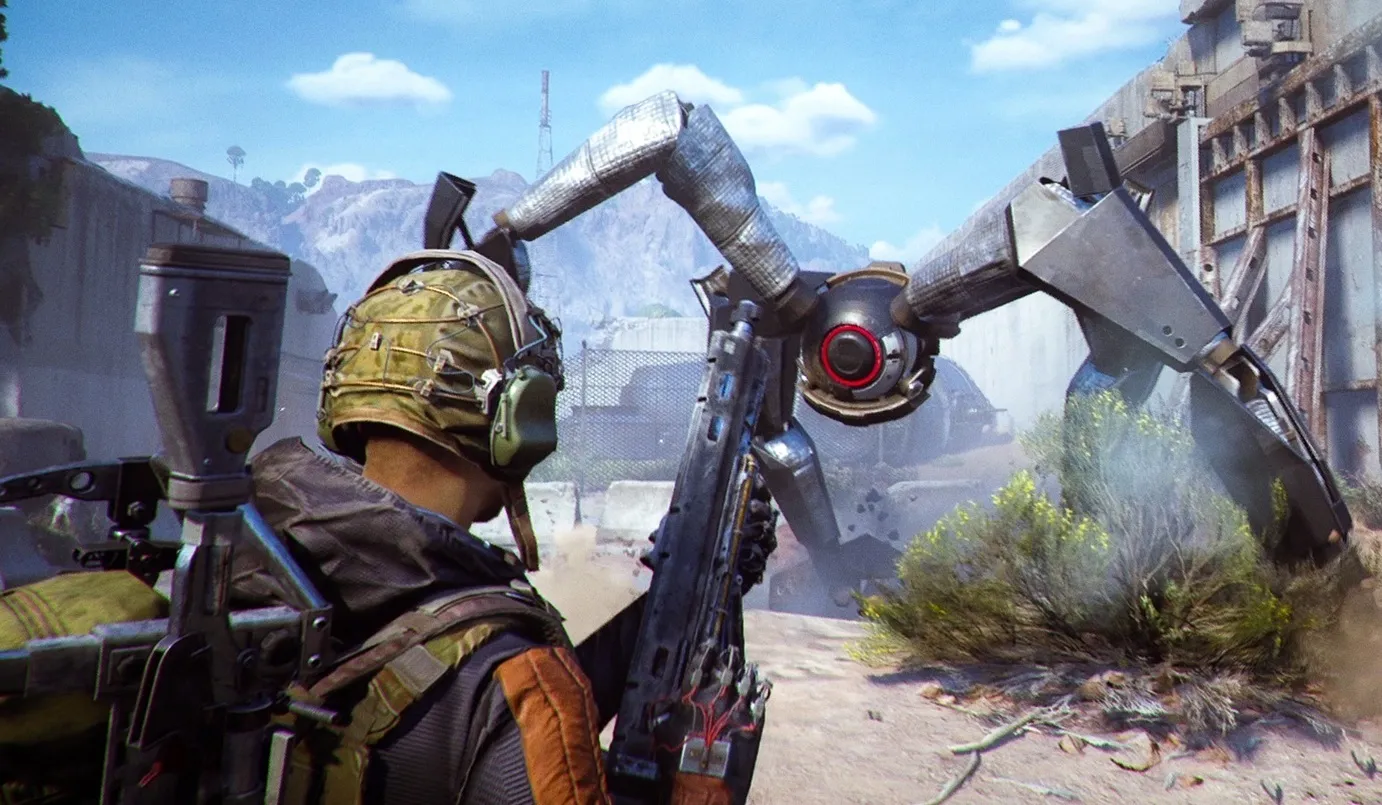
When Embark Studios launched Arc Raiders on October 30, 2025, the safe prediction was a familiar one: a spectacular opening month, then the steep decline that has claimed nearly every extraction shooter that tried to go mainstream. Eleven months later, the safe prediction has aged badly. Arc Raiders enters its first anniversary window as one of the commercial stories of the generation, and its trajectory is worth examining, because it says a lot about what this famously punishing genre needed all along.
The numbers behind the anniversary
The headline figures, drawn from publisher reporting and independent trackers over the game’s first year, sketch a launch that did not just spike but kept converting.
| Metric | Figure | Source / period |
|---|---|---|
| Steam launch peak (concurrent) | 481,966 players | SteamDB, November 16, 2025 |
| All-platform peak (concurrent) | ~960,000 players | Nexon financial report, 2026 |
| Copies sold | 14M by February, 16M+ by autumn 2026 | Director interview; Alinea Analytics estimate |
| Estimated revenue | ~$500 million | Alinea Analytics, 2026 |
| Weekly active players | ~6 million across platforms | Embark, early 2026 |
The Steam-only picture shows the expected post-launch settling, from the 481K peak into a five-figure daily concurrency by late summer 2026, and skeptics have pointed at that curve as proof of decline. But Steam has become the least representative window into this particular game: Arc Raiders shipped with full crossplay across PC, PlayStation 5 and Xbox Series consoles, and console populations, which Steam charts cannot see, have carried an increasing share of the load. A launch-window decline of 70 to 90 percent from peak is the normal shape of every live service release; retaining millions of weekly actives a year in is not.
The update engine
The clearest explanation for the retention is cadence. Embark spent the first half-year shipping significant content at a near-monthly rhythm, an aggressive pace by genre standards.
| Update | Window | What it added |
|---|---|---|
| Cold Snap | Late 2025 | Seasonal event; daily peaks pushed back above 350,000 on Steam |
| Headwinds | January 2026 | Opening of the announced Escalation roadmap |
| Shrouded Sky | February 24, 2026 | New content drop into a ~265,000 daily peak population |
| Flashpoint / Riven Tides | Spring 2026 | New map territory, ARC enemy types, expedition changes |
| Frozen Trails | October 2026 (announced) | New map and new ARC enemies for the anniversary window |
In mid-2026 Embark announced a structural shift: two major updates per year instead of monthly drops, each larger in scale, with a dedicated live team handling events, balance and anti-cheat in between. The studio framed it as investing in the game’s long-term health, from economy balancing to fair play. It is the roadmap of a studio planning in years, not quarters.
Why this one stuck when others slid
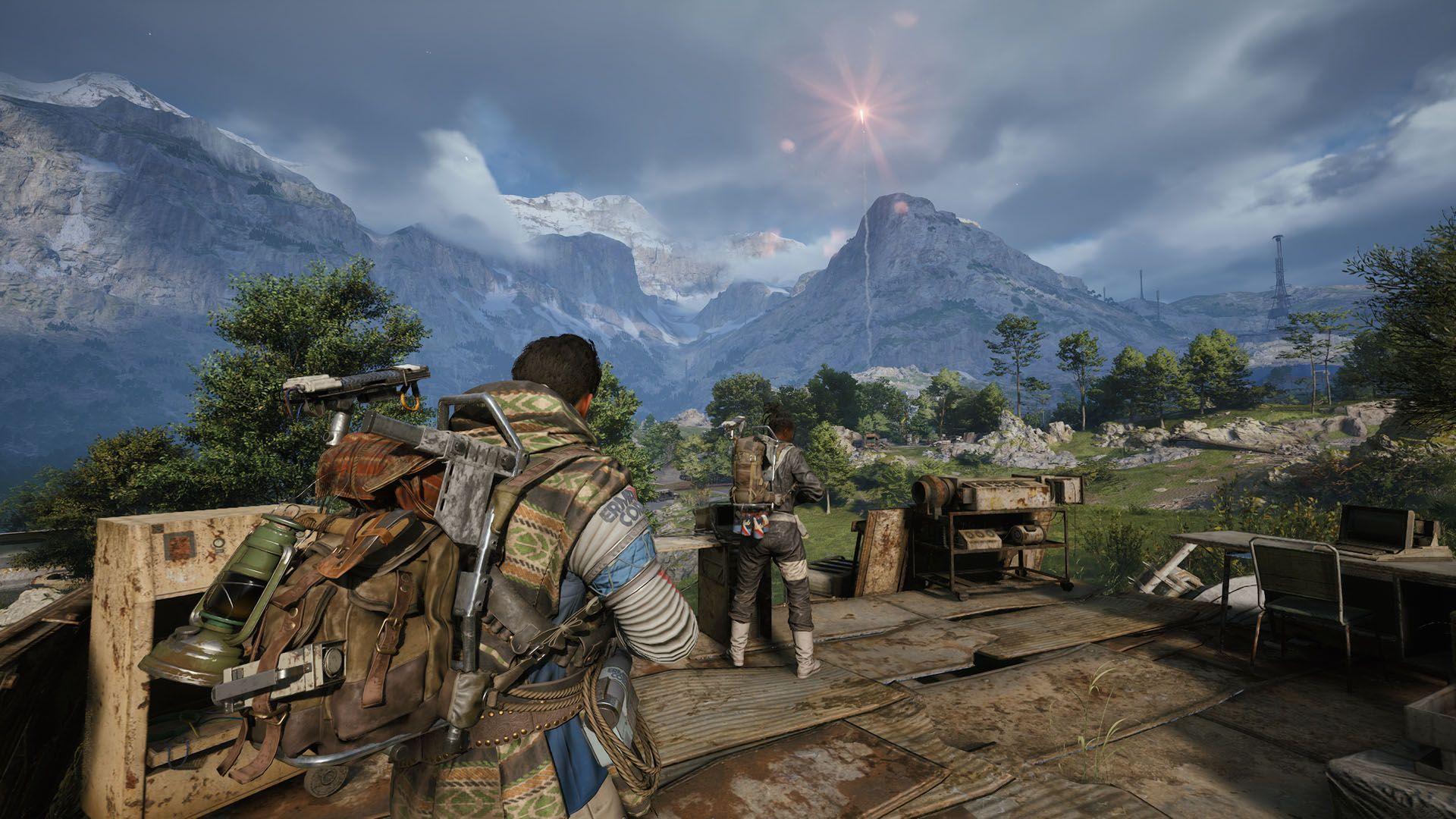
Three design decisions separate Arc Raiders from the genre’s cautionary tales. First, accessibility without dilution: the PvPvE loop keeps extraction tension intact, but third-person readability, proximity voice chat and a gentler death penalty made the genre’s famous cruelty survivable for newcomers. Second, the crossplay decision multiplied the matchmaking pool and insulated the game from single-platform decline. Third, the tone: the game’s reputation for oddly sociable encounters, where strangers negotiate over voice instead of shooting on sight, gave it a cultural identity no competitor owns.
The grind that grew underneath
A year of updates has also built a serious progression stack: workshop upgrades, blueprint hunting, expedition milestones and quest chains that gate the best equipment behind dozens of hours. Predictably, a service market has formed around that stack, the same way it did around Tarkov’s quest tree, with players paying for blueprint unlocks, expedition completions and loadout building. It has grown large enough that comparison platforms now track and review arc raiders boosting services as a standing category alongside the genre veterans, which is its own kind of milestone: service economies only form around games the market expects to last.
The year-two question
The anniversary picture is not risk-free. The shift to biannual updates bets that bigger, rarer drops beat a constant drip, and the genre’s history punishes content droughts harshly. Solo-player depth remains the loudest community complaint, and the endgame PvE loop still leans repetitive. But Arc Raiders enters year two with a war chest most live games never see: sixteen million copies sold, an audience across every major platform, and a developer that has so far read its community correctly at every fork. The extraction shooter that was supposed to fade is instead setting the genre’s pace, and October’s Frozen Trails update will show whether the slower, heavier cadence can keep it there.
