

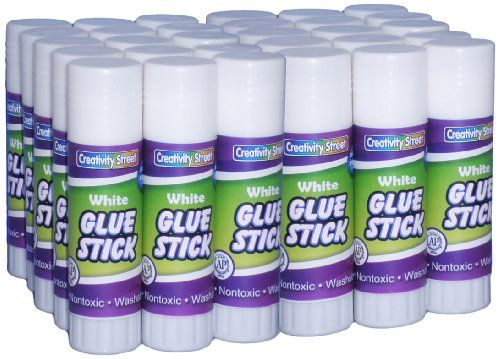
It may not sparkle like a new set of coloured pens or feel as exciting as a crisp notebook, but the glue stick is one of the quiet heroes of every classroom. From early-years collages to detailed science projects, glue sticks hold more than paper together — they build creativity, confidence, and collaboration. The right one can make lessons smoother and craft time far less sticky (literally). Yet, not all glue sticks are created equal. Choosing the right type can make all the difference between a smooth learning experience and a classroom full of frustration and gluey fingers.
The Unsung Champion of Classroom Creativity
Every teacher knows the power of a reliable glue stick. It’s the first tool handed to a child during arts and crafts, and often the last item used to finish a display board or group project. Unlike liquid glues, which can cause smudging and mess, glue sticks offer clean, precise adhesion that’s ideal for young learners and busy classrooms.
But the magic lies in their simplicity. With one twist, children can join paper, card, felt, and lightweight fabric in seconds — no spills, no waiting time, no sticky puddles. That instant gratification encourages hands-on learning and tactile exploration, which are essential for developing fine motor skills and spatial awareness.
In a world increasingly dominated by screens, a humble glue stick still reminds us that learning can be tactile, sensory, and satisfying.
Understanding What Makes a Good Glue Stick
Although they might look identical on the shelf, glue sticks differ significantly in texture, formulation, and performance. Knowing what to look for can help teachers and parents make smarter classroom choices.
1. Texture and Consistency
A quality glue stick should glide smoothly without clumping or crumbling. Soft, creamy formulas provide even coverage and work well for younger children who are still learning coordination. Harder-textured sticks last longer but may require more pressure — better suited for older students or craft-heavy use.
2. Adhesive Strength
Different projects require different levels of grip. Standard classroom glue sticks work perfectly for paper and card, but for materials like felt, foam, or lightweight wood, look for a stronger adhesive variant. Some premium brands offer multi-purpose glue sticks that dry clear but hold firm on a variety of surfaces.
3. Drying Time
Quick-drying glue is essential in busy classrooms. The best options allow a short repositioning window (a few seconds before setting) but dry fully within minutes. Avoid overly sticky or slow-drying formulas that can warp paper or cause smears.
4. Safety Ratings
For younger users, safety is non-negotiable. Always choose non-toxic, acid-free glue sticks that meet child-safe standards. Solvent-free options are both kinder to skin and better for classroom air quality. A light scent (or no scent at all) helps keep craft sessions pleasant and allergy-friendly.
Eco-Friendly and Refillable Glue Sticks
Sustainability has become an essential consideration for schools, and glue sticks are no exception. The good news is that eco-conscious options are now readily available — reducing waste without compromising performance.
- Refillable Glue Sticks: Some brands offer refill systems where only the inner glue cartridge is replaced, keeping the outer casing for long-term use. This significantly cuts down on plastic waste.
- Recycled or Bioplastic Casings: Look for sticks made from post-consumer plastic or plant-based materials. They perform just as well and demonstrate a school’s commitment to greener learning.
- Natural and Solvent-Free Formulas: Water-based adhesives derived from natural starches are biodegradable and safe for even the youngest learners. They also wash out easily — saving uniforms and classroom tables alike.
By introducing eco-friendly glue sticks, schools not only reduce environmental impact but also teach students about sustainability through everyday actions. It’s a small product choice with a big educational message.
Classroom Uses Beyond Paper and Card
Glue sticks are far more versatile than their simple design suggests. They’re not just for sticking worksheets and mounting artwork — they’re tools for imagination. Teachers can use them across subjects to make learning tactile and interactive.
1. Early Learning and Literacy
Create letter and number collages using magazine cutouts or textured materials. The tactile engagement helps younger children connect symbols with meaning.
2. Science Projects
From model solar systems to biology diagrams, glue sticks allow precise assembly without the mess of liquid glues. Clear-drying formulas keep visuals neat for classroom displays.
3. Geography and History Activities
Map-building projects come alive when students layer textures — sandpaper deserts, fabric rivers, or tissue-paper forests — all held together with a single, trusty glue stick.
4. Creative Journaling and Portfolios
Older students can use glue sticks for mood boards, visual diaries, and creative presentations. Because the adhesive dries clean and flat, pages stay tidy — perfect for submissions or displays.
5. Arts and Crafts Days
Of course, nothing beats the joy of craft time. Glue sticks make collage-making, scrapbooking, and group posters manageable for all ages. They encourage teamwork and allow students to take ownership of their creative process.
A Teacher’s Perspective
Ask any teacher about their most-used classroom item, and many will answer without hesitation: the glue stick. “It’s like our classroom glue — metaphorically and literally,” laughs one Year 3 teacher. “You can tell how busy the term’s been by how fast they disappear. But the best ones? They last, they don’t dry out, and the kids actually enjoy using them.”
That’s the secret — a reliable glue stick isn’t just a supply, it’s a facilitator of creativity. It lets lessons flow smoothly, keeps materials intact, and gives students the confidence to experiment without fear of making a mess.
Choosing the Right One for Your Classroom
When selecting glue sticks for school or home, keep three principles in mind: safety, sustainability, and simplicity.
- Check Labels Carefully: Look for solvent-free, non-toxic certifications.
- Test Texture: It should glide easily and provide even coverage.
- Think Long-Term: Refillable or recyclable options reduce both cost and waste.
- Stock Smartly: Buy in multipacks — glue sticks are classroom gold and vanish faster than pencils.
A dependable glue stick may seem like a small detail in the grand scheme of education, but those small details often make the biggest difference.
More Than Just Adhesive
At the end of the day, glue sticks represent more than sticky convenience — they symbolise creativity made simple. They allow children to turn ideas into tangible creations, to see their thoughts take shape in colour, texture, and form. And for teachers, they’re a reminder that sometimes the most ordinary tools make the most extraordinary lessons possible.
So, as you prepare your next classroom shopping list, give the humble glue stick the respect it deserves — because when it comes to hands-on learning, it’s the little things that hold everything together.
