

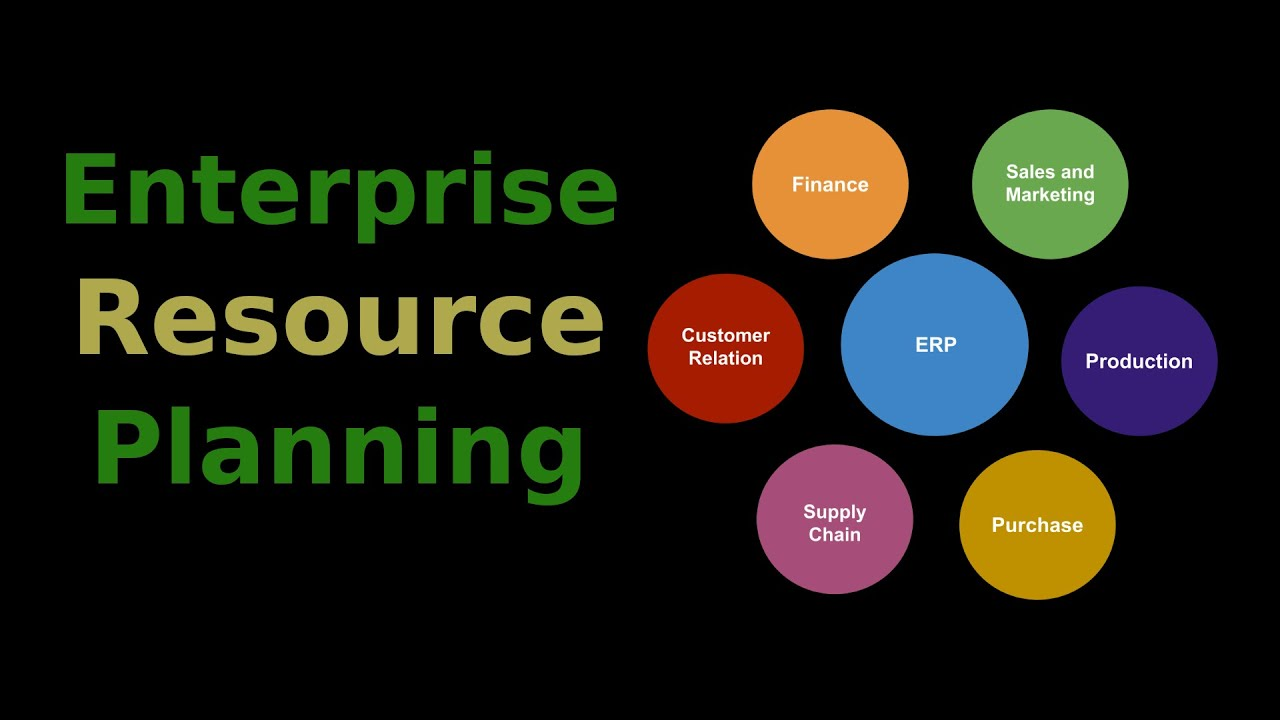
Most growing businesses reach a point where their systems can’t keep up with their size. Sales are tracked in one place, stock in another, and finance is left piecing both together at the end of the month using exported spreadsheets. Enterprise resource planning platforms exist to fix exactly this problem: they connect the core functions of a business, finance, inventory, procurement, HR, and sales, into one shared system instead of a set of disconnected tools.
The phrase sounds like it belongs to large corporations, and historically it did. Traditional ERP systems were expensive, complex, and built for companies with dedicated IT departments to manage them. That’s changed substantially over the past decade.
Why the Category Has Opened Up
Cloud delivery is the main reason enterprise resource planning platforms are now realistic for much smaller businesses. Instead of buying servers and hiring specialists to maintain them, companies subscribe to a hosted platform that the vendor manages. Around 65% of organisations with ERP systems now run on cloud-based platforms rather than on-premise installations, based on industry research from Panorama Consulting, and that share has been rising steadily as cloud options have matured.
This shift matters because it removes the two biggest barriers that used to keep smaller businesses out of the category: high upfront hardware cost and the need for in-house IT support. A subscription-based platform can be live in months rather than years, with the vendor handling updates, security, and maintenance.
Pricing has followed the same pattern. Rather than a large capital outlay before a system goes live, most cloud ERP platforms charge a predictable monthly or annual subscription based on the number of users and modules a business needs. That makes budgeting simpler and reduces the financial risk of getting the decision wrong, since a business isn’t locked into hardware it can’t repurpose if its needs change.
What Businesses Actually Use Them For
In practical terms, an enterprise resource planning platform gives a business one shared version of its data. When a sale is made, stock updates automatically. When stock is low, procurement can see it in real time. When finance needs to close the books, the numbers are already there instead of needing to be manually pulled together from separate systems.
This matters most for businesses that have outgrown basic accounting software but aren’t large enough to need a full enterprise deployment. A retailer running stock across multiple locations, a manufacturer managing production schedules and raw materials, or a construction firm tracking project costs across several sites are all common examples of businesses that benefit from bringing these functions together rather than running them separately.
The knock-on effect is usually felt in reporting. Instead of someone spending days each month pulling numbers from separate systems into a spreadsheet, a manager can pull a current picture of stock levels, outstanding orders, or departmental spend at any point, because the underlying data is already unified rather than scattered across tools that don’t talk to each other.
Choosing the Right Size of Platform
The most common mistake in this space isn’t choosing a bad provider, it’s choosing a platform sized for the wrong business. A system built for large enterprises brings configuration complexity that a smaller company doesn’t need and can’t justify the cost of managing. On the other hand, basic software built for very small businesses tends to hit its limits quickly once a company adds multiple locations, currencies, or a manufacturing process.
Providers such as Blue Lotus 360 have built their offering specifically around this gap, with AI-powered cloud ERP platforms that scale from small business accounting tools through to full enterprise-grade deployments, so businesses aren’t forced to choose between something too basic and something built for a company ten times their size.
What to Check Before Signing Up
A few questions are worth asking of any provider before committing: does the platform cover the specific industry requirements the business has, such as batch tracking for manufacturing or multi-currency support for international trading. What does implementation actually involve, and how long does it realistically take for a business of this size. And what happens to the data if the business later needs to switch providers or scale up to a different tier of the same platform.
Getting clear answers to these questions before signing a contract tends to matter more than any single feature on a demo, since most of the risk in adopting a new system comes from mismatched expectations rather than the software itself falling short.
The Takeaway
Enterprise resource planning platforms have moved from being a large-enterprise investment to a genuinely accessible option for growing businesses, largely because cloud delivery has removed the traditional cost and complexity barriers. The businesses that get the most value from adopting one tend to be those that match the platform to their actual size and industry, rather than assuming the category isn’t relevant to them until they’re much bigger.
