

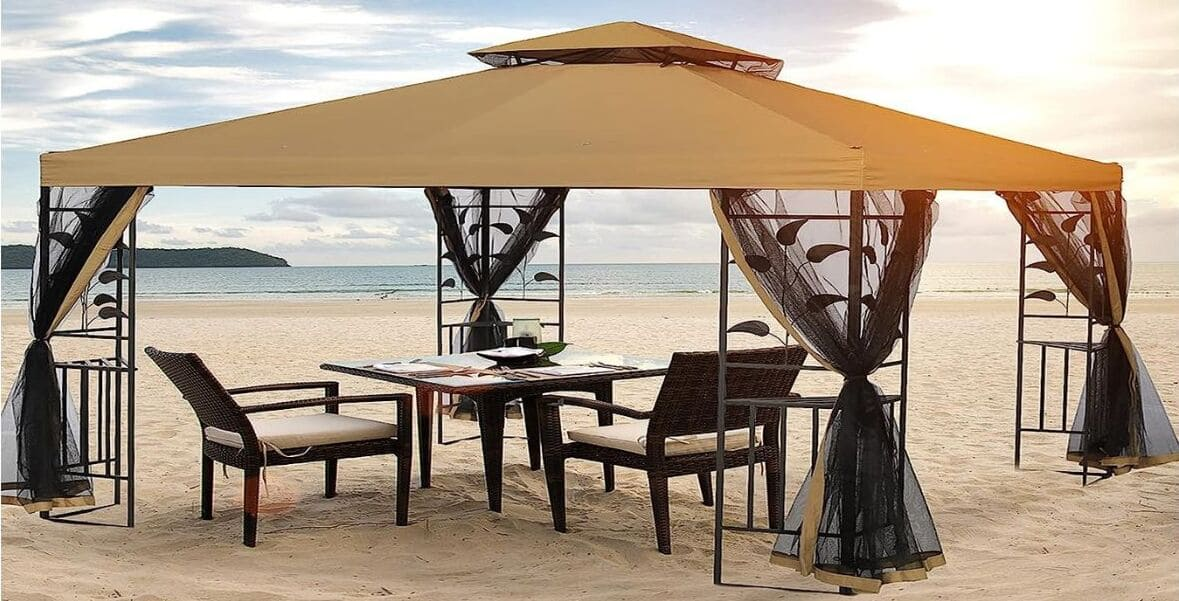
1. The Challenge of Trade Show Visibility
Trade shows are bustling marketplaces, vibrant with competition and overflowing with information. For businesses, they represent a significant investment of time, money, and resources, all aimed at generating leads, building brand awareness, and fostering new connections. However, the sheer volume of exhibitors often means that many booths blend into a sea of sameness. Attendees, bombarded with visual stimuli and marketing messages, often gravitate towards stands that immediately capture their attention and convey a clear, compelling message. The challenge, therefore, is not just to be present, but to be profoundly memorable.
Many companies invest heavily in their product displays or sales pitches, yet overlook the foundational element of their physical presence: their booth itself. A generic setup, while functional, fails to communicate a brand’s unique identity or value proposition from a distance. This lack of initial impact can lead to missed opportunities, as potential customers walk past without a second glance, heading instead to the more visually striking displays. Understanding this fundamental hurdle is the first step toward crafting a truly effective trade show strategy.
2. The Power of a Branded Gazebo
In the crowded landscape of a trade show, a branded gazebo emerges as a powerful, often underestimated, tool for differentiation. Unlike standard modular booths, a custom-designed gazebo offers a unique blend of practicality, visibility, and professional aesthetic. It creates a defined, inviting space that can significantly elevate your brand’s presence. A Totally Branded gazebo, specifically tailored to your company’s identity, serves as an immediate visual anchor, drawing attendees in from across the exhibition hall.
The psychological impact of a well-designed gazebo is considerable. It signals professionalism, stability, and a commitment to quality. The structure itself provides a sense of enclosure and intimacy, making attendees feel more comfortable approaching and engaging with your team. Furthermore, the elevated nature of many gazebos, especially those with custom flags or banners, allows your brand message to literally rise above the competition, making it visible from greater distances within the venue. This isn’t just about having a logo on a tent; it’s about creating a miniature brand environment that encapsulates your company’s essence.
3. Designing Your Gazebo for Maximum Impact
The design of your branded gazebo is paramount to its success. It’s not merely a shelter; it’s a three-dimensional advertisement and a functional workspace. Every element, from color scheme to graphic placement, must be meticulously planned to convey your brand message effectively and attract your target audience.
3.1 Color Psychology and Brand Consistency
The colors you choose for your gazebo should be consistent with your brand guidelines. Beyond consistency, consider the psychological impact of colors. Bright, bold colors can attract attention, while cooler tones might convey professionalism or calmness. Ensure your primary brand colors are dominant and used strategically to reinforce recognition. Avoid overly complex color palettes that can appear cluttered or confusing from a distance.
3.2 High-Resolution Graphics and Messaging
The graphics printed on your gazebo must be of the highest resolution. Blurry or pixelated images immediately undermine professionalism. Focus on clear, concise messaging. What is the single most important message you want attendees to take away? Place your logo prominently, but also include a compelling tagline or a key benefit statement. Use large, legible fonts that can be read from several meters away. Consider incorporating images of your products in action or testimonials if space allows, but avoid overcrowding the design.
3.3 Structural Enhancements and Accessories
Beyond the basic canopy, consider structural enhancements. Side walls can be branded with additional messaging, product features, or QR codes. Backdrops can create a more immersive experience. Flags and banners attached to the gazebo poles can add height and movement, further increasing visibility. Lighting, both internal and external, can dramatically alter the mood and draw attention, especially in venues with dim ambient lighting or during evening events. Don’t forget practical accessories like custom printed table covers, branded chairs, and display stands that complement the gazebo’s aesthetic.
4. Strategic Placement and Layout
Even the most stunning Totally Branded gazebo can fall short if its placement within the trade show floor is poor, or if its internal layout is inefficient. Strategic planning is essential to maximize foot traffic and facilitate engagement.
4.1 Optimal Location Selection
When selecting your booth space, consider factors like proximity to main entrances, high-traffic aisles, restrooms, or food courts. Corner booths often offer greater visibility from two directions. Avoid locations near competing businesses or areas that might be easily overlooked. If possible, visit the venue beforehand or study the floor plan meticulously to identify prime spots. Sometimes, paying a premium for a better location can yield a significantly higher return on investment.
4.2 Creating an Inviting Flow
The internal layout of your gazebo should be designed to encourage natural movement and interaction. Avoid creating barriers that might deter attendees from entering.
1. Welcome Zone: Position a welcoming element, such as an interactive display or a friendly brand ambassador, at the entrance.
2. Engagement Area: Designate a space for product demonstrations, consultations, or presentations. Ensure there’s enough room for both your staff and attendees to comfortably interact.
3. Information Hub: Have a clearly marked area for brochures, business cards, and lead capture forms.
4. Exit Strategy: Ensure a clear path for attendees to exit, perhaps with a final call to action or a small giveaway station.
Consider the flow of traffic around your booth. If your gazebo has multiple open sides, ensure each side presents an appealing entry point.
5. Enhancing Your Gazebo with Interactive Elements
A visually appealing gazebo is a great starting point, but engagement is key to converting interest into leads. Incorporating interactive elements transforms your static display into a dynamic experience that captures attention and encourages deeper interaction.
5.1 Technology Integration
Leverage technology to create memorable experiences.
1. Touchscreen Displays: Allow attendees to explore your products or services at their own pace, view videos, or sign up for newsletters.
2. Virtual Reality (VR) or Augmented Reality (AR): Offer immersive demonstrations of complex products or services, allowing potential customers to “experience” what you offer.
3. Live Demos: Schedule regular, captivating product demonstrations that draw a crowd.
4. Charging Stations: Provide phone charging stations, branded with your logo, as a practical incentive for attendees to linger at your booth.
5.2 Engaging Activities and Giveaways
Interactive games, contests, or raffles can significantly boost engagement. Ensure these activities are relevant to your brand and offer compelling prizes. High-quality, branded giveaways, such as reusable bags, pens, or unique gadgets, serve as tangible reminders of your company long after the show ends. Avoid generic trinkets that are easily discarded. The goal is to provide value and create a positive association with your brand.
6. Beyond the Gazebo: Integrated Branding
While your Totally Branded gazebo is the centerpiece, a truly outstanding trade show presence integrates branding across all touchpoints. Consistency reinforces your message and builds a cohesive brand experience.
6.1 Branded Apparel for Staff
Your staff are your brand ambassadors. Uniforms or branded apparel ensure a professional appearance and make your team easily identifiable. This consistency projects an image of unity and professionalism, reinforcing the brand identity established by your gazebo.
6.2 Marketing Collateral
All brochures, flyers, business cards, and digital presentations should align with your gazebo’s design and messaging. Use the same fonts, colors, and imagery to create a seamless brand experience. Consider interactive digital brochures accessible via QR codes displayed on your gazebo.
6.3 Social Media Integration
Create a unique hashtag for the trade show and encourage attendees to share their experiences at your gazebo on social media. Display social media handles prominently and run contests that require social media participation. This extends your reach beyond the physical confines of the show floor.
7. Staff Engagement and Presentation
Your staff are the living embodiment of your brand at a trade show. Their demeanor, knowledge, and ability to engage with attendees are as crucial as your physical setup. Even the most impressive gazebo won’t compensate for disengaged or uninformed personnel.
7.1 Professionalism and Approachability
Ensure your team is well-trained, enthusiastic, and approachable. They should be proactive in engaging attendees without being overly aggressive. Body language, eye contact, and a genuine smile can make a significant difference. Brief your staff thoroughly on the day’s objectives, key messages, and any special promotions.
7.2 Product Knowledge and Storytelling
Your staff must possess in-depth knowledge of your products or services. They should be able to answer questions confidently and articulate your brand’s unique selling propositions. Encourage them to tell compelling stories about your brand, its values, and how your offerings solve customer problems. This personal connection often resonates more deeply than a simple recitation of features.
7.3 Lead Capture and Follow-Up Protocols
Implement a clear system for capturing leads, whether through digital forms, business card scanners, or traditional pen-and-paper methods. Train staff on how to qualify leads effectively and gather relevant information. Crucially, establish a robust follow-up protocol to ensure that every promising lead receives timely attention after the show. A well-organized follow-up strategy is where many trade show investments truly pay off.
8. Pre-Show Promotion and Post-Show Follow-Up
Your trade show success isn’t confined to the event itself. Strategic pre-show promotion and meticulous post-show follow-up amplify the impact of your branded presence.
8.1 Building Anticipation
Long before the trade show doors open, build anticipation for your presence.
1. Email Marketing: Send out targeted emails to your existing customer base and prospects, announcing your participation and highlighting what attendees can expect at your gazebo.
2. Social Media Campaigns: Run campaigns across your social channels, using the event’s official hashtag and showcasing glimpses of your planned activities or product launches.
3. Public Relations: If you have significant news or a new product launch, issue press releases or reach out to industry publications to generate buzz.
8.2 Prompt and Personalized Follow-Up
The leads you gather are only valuable if you act on them.
1. Timeliness: Aim to follow up with leads within 24-48 hours of the show’s conclusion.
2. Personalization: Reference specific conversations or interests expressed by the attendee. Avoid generic mass emails.
3. Value Proposition: Remind them of the unique benefits you offer and outline clear next steps, such as scheduling a demo or sending a customized proposal.
9. Measuring Your Trade Show Success
To truly understand the return on your investment, it’s vital to establish clear metrics and rigorously measure your trade show performance. Without data, it’s impossible to refine your strategy for future events.
9.1 Key Performance Indicators (KPIs)
Define what success looks like before the show begins.
1. Lead Quantity and Quality: Track the number of leads collected and categorize them by their potential value.
2. Sales Generated: Measure direct sales made at the show or sales directly attributable to post-show follow-up.
3. Brand Awareness: Use pre- and post-show surveys or social media engagement metrics to gauge changes in brand recognition.
4. Website Traffic: Monitor website visits from specific campaigns or QR codes used at the show.
5. Media Mentions: Track any press coverage or social media buzz generated by your presence.
9.2 Post-Show Analysis and Feedback
Conduct a thorough debrief with your team after the show. What worked well? What could be improved? Gather feedback on lead quality, booth design, staff performance, and overall attendee engagement. This data-driven approach allows you to continuously optimize your trade show strategy, ensuring that each subsequent event yields even better results.
10. The Enduring Impact of a Memorable Presence
Standing out at a trade show with a Totally Branded gazebo is more than just a temporary spectacle; it’s an investment in your brand’s long-term visibility and reputation. A well-executed presence creates a lasting impression that extends far beyond the exhibition hall. Attendees who have a positive and memorable experience at your booth are more likely to remember your brand, seek out your products or services in the future, and even become advocates for your company.
The visual impact of a professional, custom-designed gazebo, combined with engaging interactions and strategic follow-up, transforms a fleeting encounter into a foundational touchpoint in the customer journey. It builds trust, communicates value, and differentiates you from the noise. By mastering these elements, you don’t just participate in a trade show; you dominate it, forging valuable connections and securing a stronger position in your market.
