

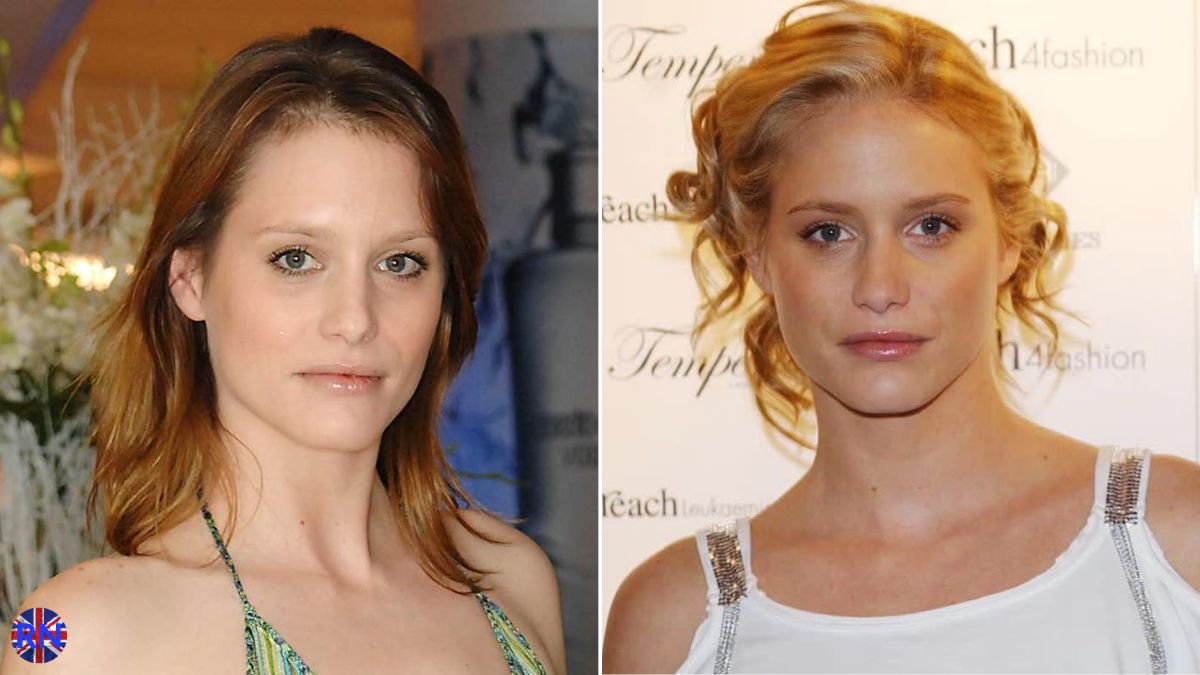
Georgina Cooper was a British fashion model who became widely known during the 1990s. She was associated with a period in British culture when fashion, music, and media shifted toward a more relaxed and individualistic style. Although she did not pursue widespread celebrity in later years, her work during that decade continues to be referenced in discussions of British fashion history. This article presents a factual overview of her career, professional relevance, and long-term influence.
Early Career and Entry Into Modeling
Georgina Cooper entered the fashion industry at a time when modeling standards were changing. The early 1990s saw a move away from highly polished aesthetics toward models who appeared more natural and reflective of contemporary youth culture. Cooper fit well within this shift.
She began working primarily in the United Kingdom, appearing in fashion editorials and runway presentations. Her look aligned with the preferences of designers and editors seeking understated presentation rather than overt glamour. Available public information does not indicate a heavily documented early biography, and details about her discovery or initial contracts are limited.
Role in 1990s British Fashion
Cool Britannia Context
The cultural period often referred to as “Cool Britannia” shaped the professional environment in which Georgina Cooper worked. British fashion during this time emphasized modern identity, confidence, and cultural independence. Models associated with this movement were expected to project authenticity rather than theatricality.
As a British model Georgina Cooper was part of this broader industry environment. Her work appeared alongside fashion that favored simple styling, clean silhouettes, and editorial concepts grounded in realism.
Industry Presence
Cooper’s modeling work included runway appearances and editorial assignments rather than long-term brand ambassadorships. Her career was consistent with that of many working fashion models of the period, focusing on professional output rather than public visibility.
She was not known for headline-making campaigns or extensive media appearances. Instead, her recognition developed within the fashion industry itself.
Editorial and Runway Work
Editorial Modeling
As a Georgina Cooper model, she was often selected for editorial projects that required a restrained visual tone. Her work reflected the preferences of magazines that prioritized clothing presentation and concept clarity.
Her editorial images typically featured:
- Minimal makeup
- Neutral or subdued styling
- Direct, unexaggerated poses
These characteristics matched the visual language common in 1990s British fashion publications.
Runway Appearances
On the runway, Cooper presented collections with a controlled and consistent walk. She did not adopt highly stylized movements, which aligned with the industry’s shift toward practicality and composure. Designers valued models who could maintain focus on the garments rather than personal performance.
Her runway work supported the overall presentation without drawing attention away from the collection.
Public Image and Media Coverage
Georgina Cooper maintained a low public profile throughout her career. Media coverage primarily focused on her professional work rather than her personal life. She did not actively engage in self-promotion or branding beyond her modeling assignments.
This approach was common among models of her era who viewed modeling as a profession rather than a pathway to celebrity. As a result, publicly available information remains limited and factual rather than narrative-driven.
Personal Life
Family and Relationships
Information regarding Georgina Cooper husband or family life is not widely documented in reliable public sources. She did not discuss her private life extensively in interviews or media appearances.
In the absence of verified details, it is appropriate to note that she chose to keep personal matters private. No confirmed records suggest public involvement of her spouse or family in her professional career.
Cultural Associations
Music and Fashion Overlap
Search interest around Georgina Cooper Bon Jovi reflects the broader overlap between fashion and music during the 1990s rather than a documented professional collaboration. Many fashion editorials of the time adopted styling influences drawn from rock and alternative music culture.
Cooper’s modeling aesthetic aligned with this cultural environment, which emphasized casual confidence and understated edge. However, no verified sources confirm a direct working relationship with Bon Jovi.
Career After the 1990s
After the peak of her modeling career, Georgina Cooper stepped away from regular public fashion work. Like many models of her generation, she did not transition into ongoing media exposure or public-facing roles.
There is limited publicly available information about her professional activities after modeling. No confirmed records indicate a shift into acting, brand management, or fashion design. Her career remains primarily defined by her work during the 1990s.
Influence and Industry Legacy
Professional Impact
Georgina Cooper’s influence is best understood within the context of her time. She represented a model type that emphasized realism and professionalism rather than spectacle. This approach contributed to the broader acceptance of diverse modeling styles in British fashion.
Her work remains relevant as a reference point for:
- Editorial restraint
- Minimalist runway presentation
- Non-commercial modeling careers
Long-Term Relevance
Although she is not widely referenced in mainstream fashion media today, her career is occasionally cited in discussions of 1990s British modeling. Her legacy is subtle and industry-specific rather than commercial.
She remains an example of how models can contribute meaningfully to fashion history without sustained public attention.
Conclusion
Georgina Cooper’s career reflects a specific moment in British fashion when authenticity and simplicity were central values. As a working model during the 1990s, she contributed to editorial and runway work that supported evolving industry standards.
Her professional approach, limited public exposure, and consistent work define her legacy. While detailed personal or post-career information remains scarce, her role in British fashion history is documented through her contributions during that period.
Georgina Cooper’s legacy is one of professionalism, context-driven relevance, and quiet influence within the modeling industry.
