

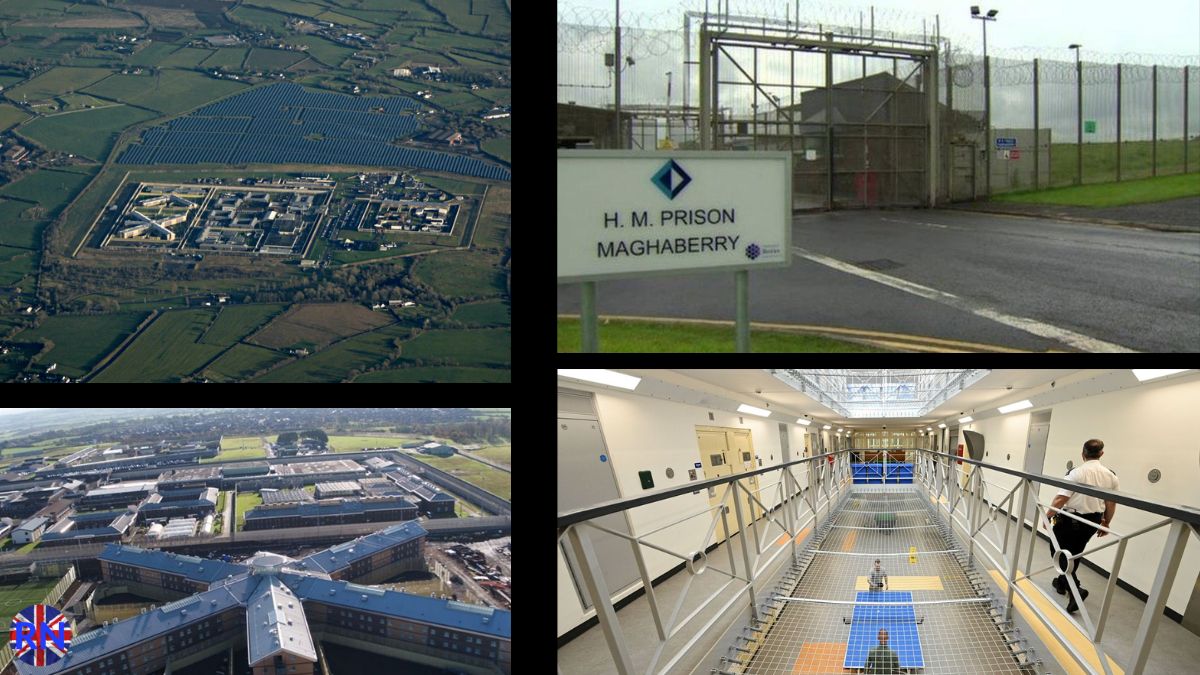
Nestled in the countryside near Lisburn, Maghaberry Prison is the most secure correctional institution in Northern Ireland. Known for its strict regime and diverse population, this high-security facility houses both long-term prisoners and those awaiting trial.
For decades, Maghaberry Prison has symbolized both controversy and reform — a place where issues of justice, rehabilitation, and human rights converge. Readers following Maghaberry Prison news will recognize it as a barometer of Northern Ireland’s evolving penal policies.
Today, the high-security facility stands not only as a symbol of containment but also as a testing ground for progressive correctional reform.
History and Purpose of the Facility
Opened in 1986 on the site of a former RAF airfield, Maghaberry Prison was built to replace older and outdated jails across Northern Ireland. From its inception, the facility’s mission has been twofold — to maintain maximum security and to promote rehabilitation.
The prison accommodates all categories of adult male offenders, including those serving life sentences, paramilitary prisoners, and individuals on remand. Over the years, the correctional institution has become a vital part of the region’s justice system, evolving alongside Northern Ireland’s social and political changes.
While once criticized for harsh conditions, Maghaberry Prison has increasingly focused on reform, staff training, and rehabilitation programs to balance punishment with progress.
Life Inside the High-Security Prison
A day inside Maghaberry Prison begins early, with strict roll calls followed by meals and scheduled activities. The facility operates under high surveillance and houses both integrated and separated inmates — a delicate arrangement designed to prevent inter-factional violence.
Daily life is highly structured. Inmates attend work or education programs, participate in health sessions, or spend time in limited recreation areas. Staff at the high-security facility play an essential role in maintaining safety while supporting rehabilitation initiatives.
Despite improvements, reports still mention issues like overcrowding and tension — frequent topics in Maghaberry Prison news that underline the constant need for reform.
Maghaberry Prison Visits and Family Connection
Maintaining family contact is one of the most important aspects of rehabilitation. Maghaberry Prison visits allow inmates to stay connected with their loved ones under secure conditions.
Visitors must book appointments in advance and undergo identification checks before entering the visiting area. The correctional facility provides supervised rooms where families can meet inmates in a controlled environment.
A dedicated visitor centre supports families emotionally and practically, offering refreshments and information services. By encouraging Maghaberry Prison visits, the Northern Ireland Prison Service acknowledges that meaningful contact helps reduce reoffending and fosters social reintegration.
Security, Structure, and Separation Policies
Security remains at the heart of Maghaberry Prison’s operation. Surrounded by towering fences and advanced monitoring systems, the facility enforces one of the most comprehensive safety protocols in the UK.
Following the 2003 Steele Review, the high-security facility introduced “separated units” to house republican and loyalist prisoners separately — a move designed to reduce violence.
While effective in maintaining order, these divisions highlight the deep social history intertwined with the prison’s daily life. Today, Maghaberry Prison continues to refine its internal management to ensure fairness, safety, and stability across all units.
Rehabilitation and Education Programs
Rehabilitation is central to modern correctional philosophy, and Maghaberry Prison has made significant progress in this area. The facility provides inmates with access to education, vocational training, and personal development programs.
Courses include literacy, IT, carpentry, catering, and horticulture — giving prisoners skills that enhance employability upon release. Religious services and counseling sessions are also available for personal growth and spiritual support.
The correctional institution partners with charities and educational bodies to deliver programs aimed at reducing reoffending. By combining education with practical skill development, Maghaberry Prison fosters a sense of purpose and self-improvement behind its walls.
Healthcare and Mental Wellbeing
Healthcare inside Maghaberry Prison is managed by the South Eastern Health and Social Care Trust. Medical services include general healthcare, dentistry, mental health support, and addiction treatment.
Mental health remains one of the most urgent concerns within the high-security facility. Many inmates face challenges such as substance abuse, depression, or trauma. To address this, new initiatives provide counseling, therapy groups, and crisis intervention support.
Recent Maghaberry Prison news highlights improvements in health screening, suicide prevention, and rehabilitation therapy — key steps toward a more humane and effective correctional system.
Recent Maghaberry Prison News and Reforms
The last few years have seen Maghaberry Prison undergo major changes. A £54 million redevelopment introduced modern housing blocks, improved sanitation, and upgraded security systems. These upgrades symbolize the government’s commitment to improving prison conditions and staff safety.
Yet, Maghaberry Prison news continues to expose lingering issues — overcrowding, contraband smuggling, and recruitment challenges. Regular inspection reports emphasize the importance of continued oversight and leadership stability.
Despite the hurdles, reform momentum remains strong. Enhanced officer training and the introduction of digital systems for inmate management demonstrate the institution’s forward-thinking approach.
Employment and Maghaberry Prison Jobs
Working at Maghaberry Prison is both challenging and rewarding. Maghaberry Prison jobs include roles for prison officers, nurses, educators, psychologists, and administrative professionals.
All recruitment is managed through the Northern Ireland Civil Service, ensuring fairness and transparency. Successful candidates undergo comprehensive training in conflict management, crisis response, and inmate rehabilitation.
Maghaberry Prison jobs offer stable employment, career development, and a chance to make a real difference in society. For many, serving in the correctional institution is more than a job — it’s a public service commitment to safety and reform.
Key Challenges Facing the Facility
Even as reform progresses, Maghaberry Prison faces multiple challenges. The growing inmate population strains resources, while drug smuggling and violence remain serious concerns.
Staff shortages and stress contribute to operational pressures within the high-security facility, and mental health issues continue to affect both inmates and officers.
However, technological advancements like body scanners and improved surveillance systems are helping combat illegal activity. Ongoing partnerships with charities and rehabilitation organizations show a positive shift toward sustainable, long-term reform.
Oversight, Inspection, and Accountability
Transparency and accountability are central to maintaining public trust. Maghaberry Prison undergoes frequent inspections by the Criminal Justice Inspectorate and the Prisoner Ombudsman.
Their reports assess safety standards, staff training, healthcare, and inmate welfare. Findings are often featured in Maghaberry Prison news, highlighting both progress and shortcomings.
Through independent monitoring, the correctional institution ensures that taxpayer investment translates into real, measurable improvements in justice and rehabilitation.
Conclusion: The Road Toward Rehabilitation
As Northern Ireland’s most secure facility, Maghaberry Prison stands at the intersection of justice and humanity. Its journey from controversy to reform illustrates how correctional systems can evolve through dedication, accountability, and compassion.
The high-security facility is no longer defined solely by its walls, but by its efforts to prepare inmates for a better future. Through ongoing investment, staff dedication, and public oversight, Maghaberry Prison continues to shape the future of rehabilitation in Northern Ireland.
