

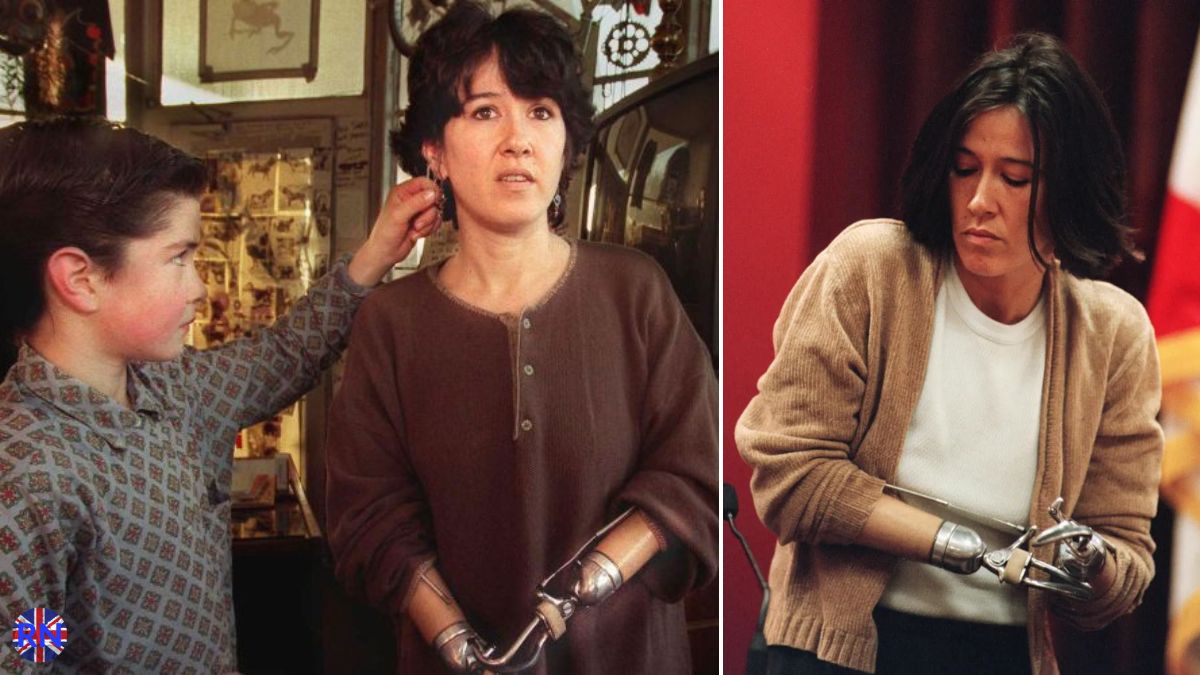
Some stories reshape public awareness and legal systems forever. The story of Mary Vincent stands among them. What started as a teenager’s search for independence became one of the most extraordinary survival cases in American history.
Her experience revealed serious flaws in sentencing laws, transformed how society talks about violent crime, and established her as a symbol of resilience. People remember the Mary Vincent story today not only for its brutality, but for the strength and determination that followed.
A Teenager’s Journey and a Fateful Encounter
In 1978, a 15-year-old girl set out on a trip that would change her life forever. Like many young people at the time, hitchhiking felt normal and relatively safe. That assumption proved devastating.
The early chapter of the Mary Vincent case reflects a cultural moment when personal safety risks were often underestimated. Her age and vulnerability played a significant role in what followed, highlighting the importance of awareness and prevention—lessons still relevant today.
The Attack That Shocked a Nation
The crime itself remains one of the most disturbing assaults recorded in U.S. history. After accepting a ride from Lawrence Singleton, Mary Vincent was raped and brutally attacked with a hatchet. Both of her forearms were severed, and she was thrown into a ravine.
The actions of the Mary Vincent attacker revealed an extreme level of violence that shocked investigators and later, the public. Singleton believed he had left her to die.
He was wrong.
Survival Through Unimaginable Strength
Despite catastrophic injuries and massive blood loss, she survived. Without arms and barely conscious, Mary Vincent climbed out of the ravine and walked several miles to reach help.
This moment defines her identity as a survivor. The Mary Vincent survivor narrative is often cited as one of the most extraordinary examples of human endurance ever documented.
Medical professionals later confirmed that her survival defied every expectation.
Identifying the Attacker and a Broken System
While recovering, she provided law enforcement with a detailed description of her attacker. Her testimony directly led to Singleton’s arrest and conviction.
However, the sentencing revealed a deep flaw in the justice system. Despite the severity of the crime, the sentence was shockingly light. The outcome of the Mary Vincent case caused outrage and fear, especially when the attacker was released after only a few years.
That fear would later be justified.
How the Case Influenced Criminal Justice Reform
After his release, Singleton murdered another woman in a different state. This second tragedy confirmed what many had warned about.
The original case involving Mary Vincent became a turning point in discussions around violent crime sentencing. Lawmakers used it as a reference when advocating for:
- Harsher penalties for extreme violence
- Improved parole evaluations
- Greater emphasis on victim impact
Her case is now frequently cited in criminal justice reform discussions.
Life Beyond Survival: Advocacy and Healing
Surviving the attack was only the beginning. Rebuilding life without forearms required extraordinary mental and emotional strength.
As a Mary Vincent survivor, she chose to speak publicly, advocating for victims’ rights and raising awareness about violent crime. Her voice became a source of strength for others who had experienced trauma.
Rather than allowing the crime to define her, she reclaimed her identity through purpose and advocacy.
Art as Recovery and Expression
One of the most inspiring aspects of her life is her creative work. Through determination and adaptation, she learned to sculpt using prosthetics.
Mary Vincent art reflects pain, survival, and transformation. Each sculpture stands as a reminder that creativity and meaning can emerge from trauma.
Her artwork is not just personal—it is a message of resilience to anyone facing life-altering challenges.
Cultural Impact and Public Awareness
The Mary Vincent story has been shared through documentaries, books, and true crime programs. While many focus on the violence, the most impactful portrayals emphasize survival, justice, and reform.
Her experience continues to influence how society discusses:
- Victim advocacy
- Sentencing laws
- Survivor empowerment
Decades later, her case remains deeply relevant.
Conclusion
The legacy of Mary Vincent extends far beyond one crime. Her survival exposed dangerous gaps in the justice system and helped spark lasting reform. More importantly, her life demonstrates that resilience can coexist with trauma.
Through advocacy, art, and courage, she transformed personal tragedy into a force for change. The Mary Vincent case remains a reminder that justice must protect both victims and society—and that survival itself can change history.
FAQs
Who is Mary Vincent?
She is a survivor of a brutal 1978 assault who later became an artist and victims’ rights advocate.
What is the Mary Vincent story known for?
It is known for extraordinary survival and its impact on criminal justice reform.
Who attacked Mary Vincent?
Lawrence Singleton was convicted of the assault and later committed another murder after early release.
What kind of art does Mary Vincent create?
Her sculptures explore themes of pain, healing, and resilience.
Why is her case still important today?
It highlights the consequences of lenient sentencing and the power of survivor advocacy.
