

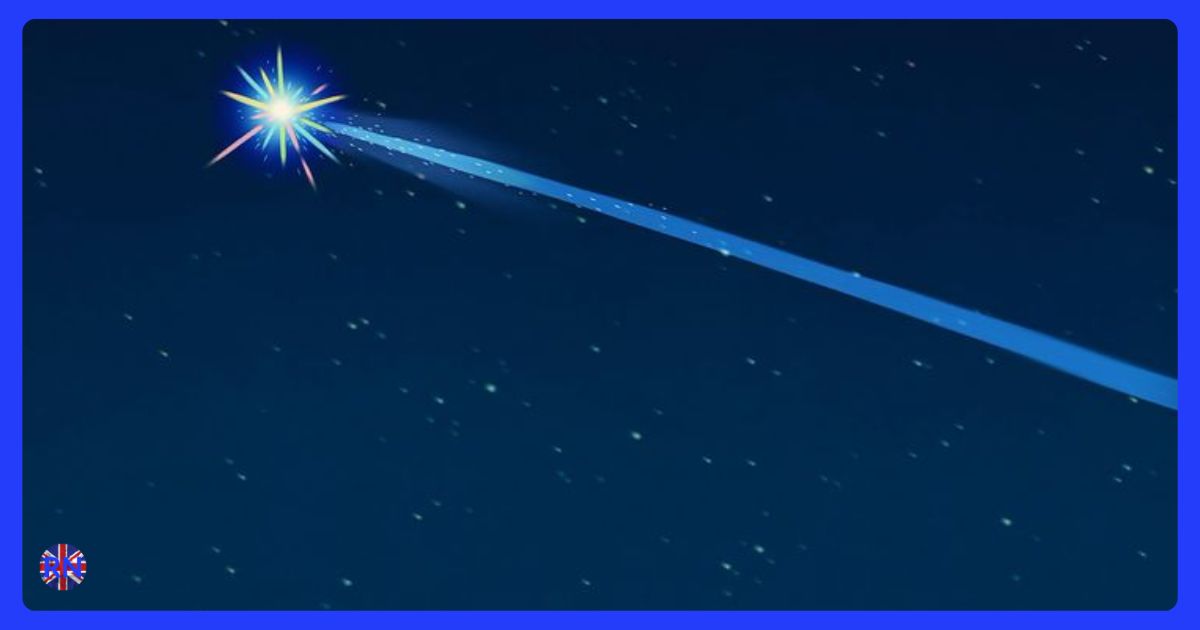
What Are Shooting Stars?
Shooting stars are among the most enchanting sights in the night sky. Despite the name, they’re not actual stars but meteors—tiny pieces of space debris burning up as they enter Earth’s atmosphere. When these meteoroids streak through the sky at speeds of up to 70 kilometers per second, they create a flash of light that we romantically call a shooting star.
For centuries, humans have looked up at Falling Stars with awe, associating them with good luck, wishes, and cosmic beauty. The term “shooting stars” perfectly captures their fleeting nature — bright, brief, and unforgettable.
The Science Behind the Glow
When a meteoroid enters the atmosphere, friction with air molecules causes intense heat and ionization. This produces a trail of glowing plasma visible from Earth. The color of the light depends on the elements involved — sodium gives off orange-yellow hues, magnesium creates green, and calcium produces violet.
Most shooting stars disintegrate before reaching the ground. Only the larger fragments that survive are known as meteorites. Every night, thousands of Falling Stars flash unnoticed above us, yet each one is a tiny piece of cosmic history.
The Wonder in the Night Sky
The beauty of shooting stars lies in their unpredictability. Unlike planets or constellations, they can appear anywhere at any time. On clear nights, especially during meteor showers, stargazers gather to watch nature’s light show unfold.
Events like the Perseids, Geminids, and Leonids bring dozens—or even hundreds—of visible shooting stars each hour. Searching online for “shooting stars tonight” is one of the most common stargazing habits, helping people know when the next celestial spectacle will occur.
Myths and Symbolism Across Cultures
Long before astronomy could explain meteors, civilizations saw Falling Stars as divine messages or omens. Ancient Greeks believed they were falling souls. In some Native American stories, they were the spirits of ancestors visiting Earth. In Filipino folklore, a shooting star signaled that someone was about to die or be born.
Across the world, the idea of wishing upon a shooting star persists — a tradition symbolizing hope and connection between Earth and the heavens. These myths reveal our timeless fascination with light, destiny, and the mysteries of the sky.
Shooting Stars Tonight: When and How to Watch
If you’ve ever typed “shooting stars tonight” into a search engine, you’re part of a global community of skywatchers. The best times to view Falling Stars are during meteor showers, when Earth passes through a comet’s debris trail.
Tips for Watching Shooting Stars:
- Find a dark, open sky away from city lights.
- Allow your eyes to adjust for at least 20 minutes.
- Lie flat and scan wide sections of the sky.
- Avoid using your phone — it ruins night vision.
- Bring a blanket and patience; the magic often comes when you least expect it.
Meteor showers peak at different times of the year. The Perseids in August and Geminids in December are particularly spectacular.
Shooting Stars in Pop Culture and Media
The charm of shooting stars extends far beyond astronomy. In movies, music, and art, they symbolize fleeting beauty, love, and destiny. The phrase “Falling Stars” often represents dreams that burn brightly but fade quickly — a metaphor for passion, ambition, or romance.
The shooting stars movie genre, both literal and metaphorical, explores this symbolism deeply. From romantic films where lovers meet under meteor showers to animated classics like Your Name (Kimi no Na wa), shooting stars often mark moments of transformation and connection.
The Fascination of Shooting Stars Kdrama
The phrase shooting stars kdrama refers to a beloved South Korean television series that captured millions of hearts. The show follows publicists and celebrities navigating love, fame, and vulnerability — mirroring the metaphor of Falling Stars as brief flashes of brilliance in a chaotic world.
Its emotional storytelling and symbolic title beautifully echo the human side of the cosmic phenomenon: everyone shines for a moment, leaving a trace in someone’s sky.
Gaming Connections: OSRS Shooting Stars
Even the gaming world has embraced the allure of shooting stars. In Old School RuneScape (OSRS), “shooting stars” are a popular in-game event. Players track fallen stars across the map, mine them for rewards, and share the discovery with others.
This integration of cosmic wonder into gameplay shows how deeply Falling Stars inspire creativity across different platforms — from ancient myths to modern games. Searching “shooting stars OSRS” or “OSRS Falling Stars” reveals thriving communities dedicated to this interactive, celestial hunt.
Shooting Stars in Film and Storytelling
From Hollywood to anime, shooting stars have long been cinematic symbols of fate and fleeting beauty. They often appear at pivotal moments — a wish, a kiss, a goodbye — evoking emotion without words.
Movies titled or themed around Falling Stars blend cosmic imagery with human drama, reminding audiences that even temporary light can be deeply meaningful. These stories resonate because they connect our inner world of dreams with the vast outer universe.
Why We Wish Upon a Shooting Star
Why do we make wishes on shooting stars? Perhaps because they represent a rare, magical moment of alignment between heaven and Earth. For a few seconds, the sky gives us something ephemeral yet profound — and we instinctively tie it to hope.
From a psychological perspective, wishing on a shooting star is an act of optimism, a small ritual that lets us project our desires into the universe. Even skeptics admit that the act itself feels comforting, offering a sense of wonder and possibility.
The Science vs. the Sentiment
Scientifically, shooting stars are predictable, measurable phenomena. Yet, emotionally, they transcend data. The same streak of light that NASA analyzes is also a spark of imagination for poets, lovers, and storytellers.
This dual nature — part science, part soul — is what makes Falling Stars endlessly captivating. They remind us that the universe isn’t just a cold mechanism; it’s also a canvas for human meaning.
Preserving the Night Sky for Future Stargazers
As cities expand and light pollution increases, clear skies become rarer. To keep the magic of shooting stars alive, we must protect our dark-sky environments. Joining organizations like the International Dark-Sky Association or supporting local observatories helps preserve this natural wonder.
Imagine future generations lying under the same sky, watching the same brief flashes of light, and feeling the same ancient awe. That’s a legacy worth keeping.
Conclusion
Shooting stars may last only a moment, but their impact is timeless. They unite science and story, logic and longing, Earth and sky. Whether you’re watching shooting stars tonight, revisiting a shooting stars movie, or mining for OSRS Falling Stars, each experience captures the essence of wonder.
These glowing streaks remind us that even the briefest spark can leave an enduring trace — just like the people and dreams that pass through our lives.
FAQs
What exactly are shooting stars?
They are meteors — small rocks or dust burning up in Earth’s atmosphere, creating a streak of light.
How often can you see shooting stars?
On any clear night, several shooting stars may appear each hour. During meteor showers, dozens per hour are visible.
What causes different colors in shooting stars?
Different elements emit different colors — magnesium gives green, sodium orange, and calcium violet hues.
Are shooting stars connected to the shooting stars movie or kdrama?
Not directly, but both use the metaphor to symbolize beauty, fame, and fleeting emotion — much like real shooting stars.
Can I see shooting stars tonight?
Check meteor shower calendars or astronomy apps for local viewing times. Clear, dark skies give the best chance.
