

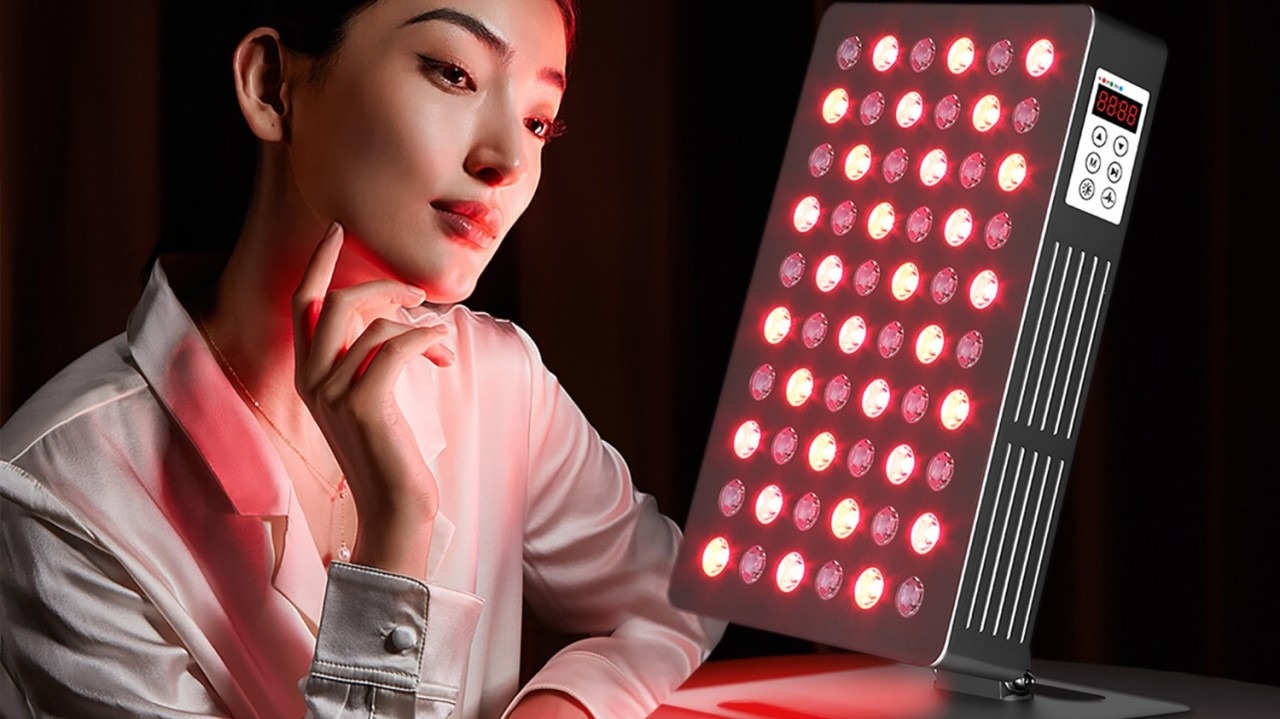
Red light therapy has captured the attention of wellness enthusiasts and skeptics alike. This non-invasive treatment uses specific wavelengths of light to potentially stimulate cellular processes, promising everything from clearer skin to reduced pain. But with so many light therapy lamps flooding the market, it’s worth asking: what does science actually say about their effectiveness?
Understanding the research behind red light therapy can help you make informed decisions about whether these devices deserve a place in your wellness routine.
What Is Red Light Therapy and How Does It Work?
Red light therapy, also known as photobiomodulation or low-level laser therapy, uses red and near-infrared light wavelengths typically ranging from 660 to 850 nanometers. Unlike other forms of light therapy that generate heat, red light therapy works at the cellular level without warming your skin.
The proposed mechanism centers on how these specific wavelengths interact with mitochondria—the powerhouses of your cells. When red light penetrates your skin, it may stimulate cytochrome c oxidase, an enzyme crucial for cellular energy production. This process potentially increases adenosine triphosphate (ATP) production, which could enhance cellular repair and regeneration.
Research suggests this cellular stimulation might trigger several beneficial responses, including increased collagen production, improved blood flow, and reduced inflammation. These effects form the foundation for red light therapy’s proposed benefits across various health concerns.
Research-Backed Benefits of Light Therapy Lamps
Several studies have examined red light therapy’s effectiveness across different applications. The most compelling evidence exists for certain skin conditions and pain management.
Skin Health Applications
Multiple clinical trials have demonstrated red light therapy’s potential for improving skin appearance. A 2014 study published in Photomedicine and Laser Surgery found that participants using red light therapy showed significant improvements in skin complexion and collagen density after 12 weeks of treatment.
Another study focusing on acne treatment revealed that red light therapy could reduce inflammatory acne lesions by targeting the bacteria responsible for breakouts. The anti-inflammatory properties of specific wavelengths appear to calm irritated skin while promoting healing.
Pain Relief and Muscle Recovery
Research has also explored red light therapy’s effectiveness for pain management. A systematic review published in European Journal of Pain analyzed multiple studies and found moderate evidence supporting red light therapy for reducing chronic pain, particularly in conditions like arthritis and fibromyalgia.
Athletes and fitness enthusiasts have shown interest in red light therapy for muscle recovery. Some studies suggest that pre-exercise red light therapy might reduce muscle fatigue and speed up recovery times, though more research is needed to establish definitive protocols.
Factors That Influence Effectiveness
The effectiveness of light therapy lamps depends heavily on several key factors that many consumers overlook when purchasing devices.
Wavelength Precision
Not all red light is created equal. Research indicates that wavelengths between 660-670nm and 810-850nm tend to be most effective for different applications. Many consumer devices fail to specify exact wavelengths or use broad-spectrum LEDs that may not deliver therapeutic intensities at target wavelengths.
Power Density and Treatment Duration
Clinical studies typically use devices with specific power densities measured in milliwatts per square centimeter. Many home devices lack sufficient power density to replicate clinical results, requiring longer treatment times that may not be practical for daily use.
Consistency and Protocol
Most research showing positive results involved consistent daily treatments over several weeks or months. Sporadic use or inconsistent treatment protocols significantly reduce the likelihood of seeing benefits.
Are Consumer Light Therapy Lamps Worth It?
While research supports red light therapy’s potential benefits, the effectiveness of consumer light therapy lamps varies dramatically. High-quality devices that meet clinical specifications can potentially deliver similar results to professional treatments, but many budget options lack the necessary power density or wavelength precision.
Before investing in light therapy lamps, consider these factors: your specific health goals, the device’s technical specifications, and your commitment to consistent use. Consulting with healthcare providers familiar with photobiomodulation can help you determine whether red light therapy aligns with your wellness objectives.
The Bottom Line on Red Light Therapy
Red light therapy represents a promising intersection of technology and wellness, with growing scientific evidence supporting its use for specific applications. While not a miracle cure, quality light therapy lamps may offer genuine benefits for skin health and pain management when used consistently with appropriate protocols.
However, the field still needs more comprehensive research to establish standardized treatment protocols and identify optimal patient populations. As the technology continues evolving, staying informed about emerging research will help you make the best decisions for your health and wellness journey.
