

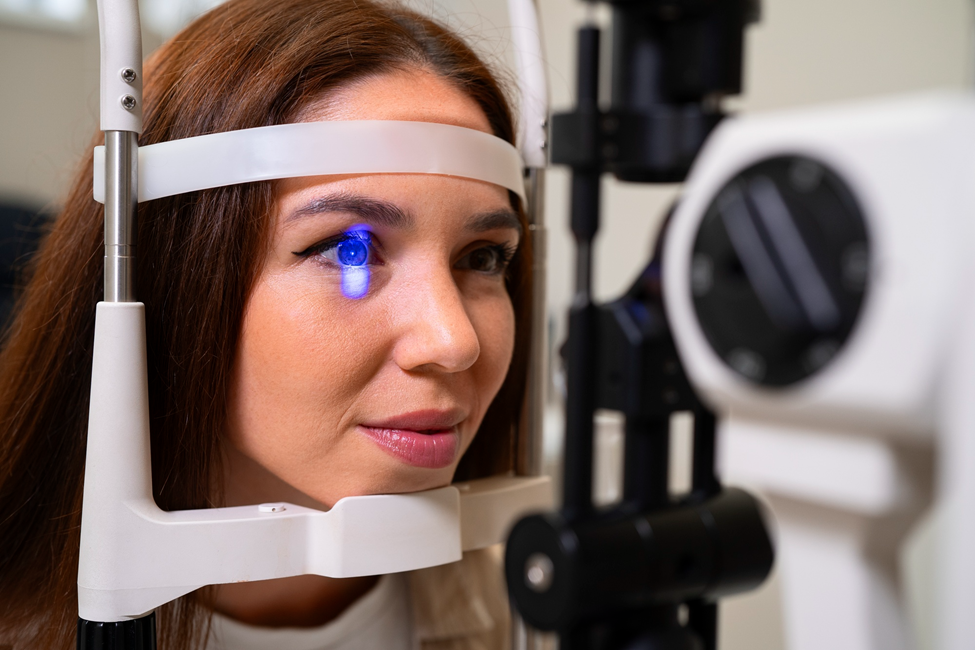
Laser eye surgery has become a common and effective way to correct vision issues such as myopia, hyperopia, and astigmatism. With the advanced technology available today, patients can expect precise results and a faster recovery period. However, proper post-surgery care plays a crucial role in achieving optimal outcomes. If you’ve had laser eye surgery performed at The Vision Surgeon UK clinic or are planning to have one soon, here are helpful tips to ensure a smooth and comfortable recovery.
Understanding the Recovery Process
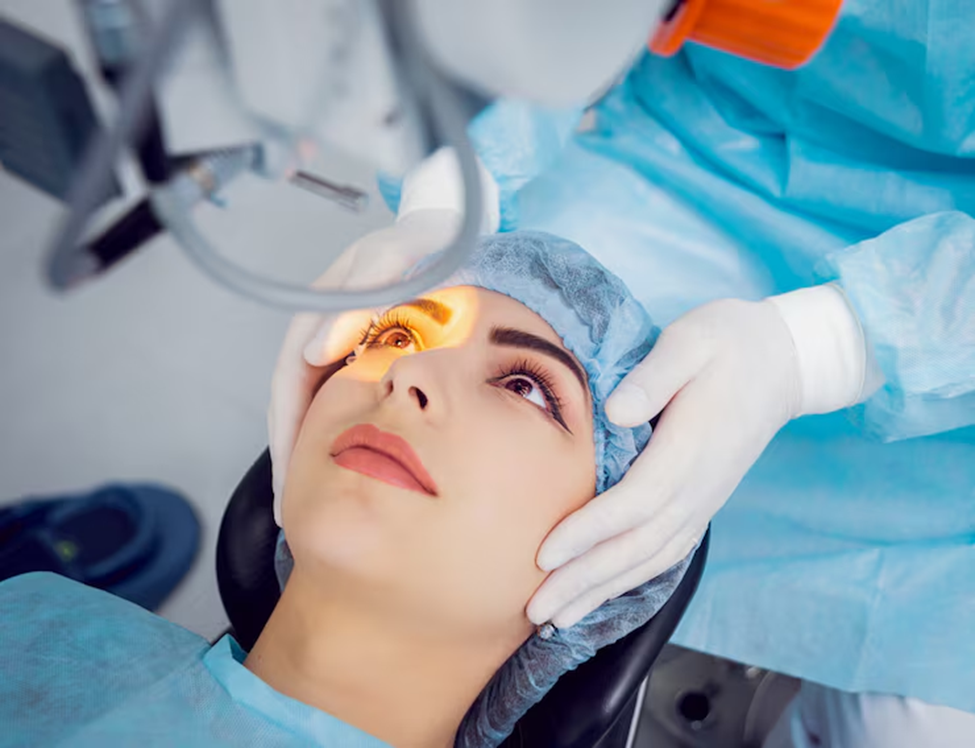
The recovery process after laser eye surgery varies depending on the individual and the specific procedure performed. Most patients experience improved vision within 24 hours, although complete healing may take several weeks. The eyes are delicate, and following your surgeon’s instructions closely is essential to avoid complications such as infection, dryness, or delayed healing.
Immediate Post-Surgery Effects
After the procedure, it is normal to experience mild discomfort, sensitivity to light, watery eyes, or a gritty sensation. Your vision might also be slightly blurry for the first few hours. These side effects usually subside as your eyes heal. Avoid rubbing your eyes, as this can interfere with the corneal flap’s healing process.
Follow Your Surgeon’s Post-Operative Instructions
Your eye surgeon will provide detailed post-operative instructions tailored to your specific needs. These may include prescription eye drops to prevent infection and inflammation, artificial tears to manage dryness, and protective eyewear to shield your eyes from dust or light. Following these guidelines carefully ensures faster healing and reduces the risk of complications.
Medication and Eye Drops
Use prescribed eye drops exactly as directed. Missing doses or stopping treatment early may delay recovery or increase infection risk. Keep your hands clean when applying drops and avoid touching the tip of the bottle to prevent contamination.
Rest and Recovery
Give your eyes time to rest. Avoid reading, watching television, or using digital devices for long periods immediately after surgery. Strain from screens or bright lights can slow down healing and cause discomfort. Try to rest your eyes in a dimly lit environment during the first day of recovery.
Protect Your Eyes
Protecting your eyes after surgery is one of the most important steps in recovery. Sunglasses should be worn when outdoors to reduce sensitivity to sunlight. Avoid environments with dust, smoke, or wind, as these can irritate the eyes and delay healing.
Avoid Swimming and Makeup
For at least two weeks after laser eye surgery, avoid swimming in pools, hot tubs, or natural bodies of water. Water can introduce bacteria that may lead to infections. Similarly, refrain from wearing eye makeup until your doctor confirms it is safe, as makeup particles can cause irritation or infection.
Wear Protective Eyewear
Your surgeon may recommend wearing protective goggles at night to prevent accidental rubbing of your eyes while sleeping. This precaution helps maintain the position of the corneal flap and supports faster healing.
Maintain Proper Hygiene
Maintaining eye hygiene is crucial during recovery. Wash your hands regularly before touching your face or applying eye drops. Avoid getting shampoo, soap, or other chemicals near your eyes when showering. Gently pat your face dry instead of rubbing it with a towel.
Attend Follow-Up Appointments
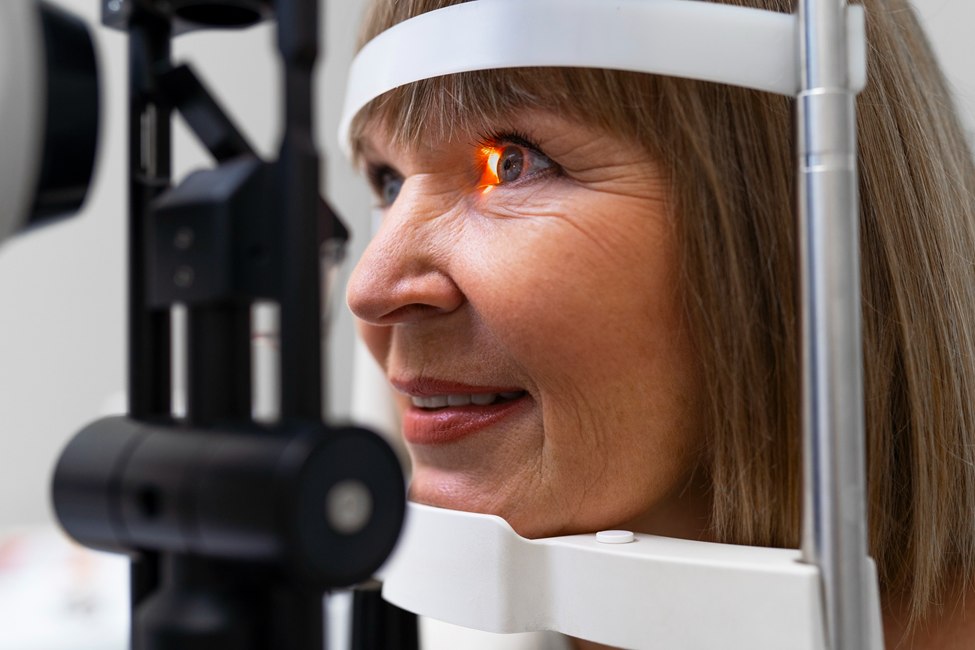
Follow-up visits with your surgeon are necessary to monitor your healing progress. These appointments help ensure that your eyes are recovering properly and that your vision continues to improve. If any issues arise, your surgeon can address them promptly. Skipping follow-up appointments can lead to unmonitored complications that could affect long-term results.
Manage Dry Eyes
Dryness is a common side effect after laser eye surgery. The temporary reduction in tear production can cause discomfort or blurred vision. Using artificial tears as recommended can help keep your eyes lubricated and comfortable. If dryness persists, your doctor may suggest additional treatments to stimulate tear production.
Hydration and Environment
Drink plenty of water to stay hydrated, as this supports tear production and overall eye health. Use a humidifier at home to add moisture to the air, especially during colder months or in air-conditioned environments. Avoid direct airflow from fans or vents aimed at your face.
Avoid Strenuous Activities
During the first few weeks after surgery, it’s important to avoid heavy lifting, intense exercise, or contact sports. These activities can increase pressure in the eyes and may disrupt the healing process. Gradually return to normal physical activities once your surgeon confirms it is safe to do so.
Be Patient with Vision Fluctuations
It’s common for vision to fluctuate slightly during the healing process. Some days your vision may appear clearer than others. This is normal and typically resolves as the eyes stabilise over time. Avoid comparing your recovery to others, as healing speed can vary from person to person.
When to Contact Your Surgeon
Although complications after laser eye surgery are rare, it’s important to know when to seek medical attention. Contact your eye clinic in Colchester or your surgeon immediately if you experience severe pain, sudden vision loss, persistent redness, or discharge from the eyes. Early intervention can prevent more serious issues from developing.
Conclusion
Laser eye surgery offers a life-changing improvement in vision, but recovery care is vital to achieving the best results. By following your surgeon’s instructions, maintaining good eye hygiene, avoiding risky activities, and attending follow-up appointments, you can ensure a smooth recovery. Patients who have their laser eye surgery performed at The Vision Surgeon UK clinic can expect professional guidance and support throughout their healing journey. With patience and proper care, clearer vision and long-lasting results are well within reach.
