

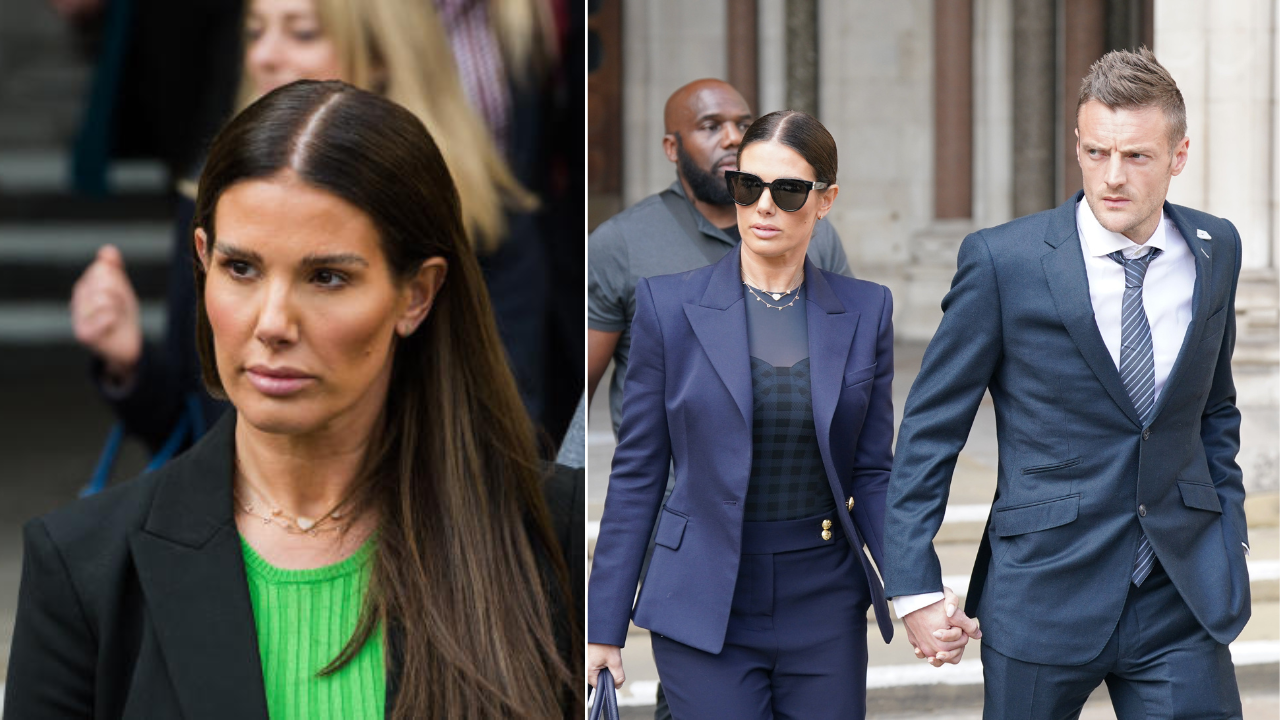
In an era where celebrity drama often unfolds on social media, few sagas have gripped the British public quite like the so-called “Wagatha Christie” affair. This scandal, rooted in a carefully orchestrated Instagram sting, evolved into a libel lawsuit, a viral nickname, a documentary, and even a trademark dispute. Involving two high-profile figures, Coleen Rooney and Rebekah Vardy, this case has become a cultural touchstone that reveals much about the intersections of fame, privacy, and digital sleuthing. But beyond the headlines, what is Wagatha Christie really about? Let’s explore its origins, meaning, courtroom drama, media portrayal, and commercial aftermath.
What Is Wagatha Christie? Unpacking the Viral Sensation
The term “Wagatha Christie” is a clever blend of “WAG” — an acronym for “wives and girlfriends” of footballers — and the name of the famed crime novelist Agatha Christie. It first surfaced in October 2019 after Coleen Rooney, wife of former England footballer Wayne Rooney, made headlines for publicly accusing fellow WAG Rebekah Vardy of leaking stories from her private Instagram account to the press. Rooney explained her method in a dramatic social media post, saying she had deliberately restricted her Instagram Story viewership to only Vardy’s account and then posted fictitious stories. When those stories appeared in The Sun, Rooney concluded that Vardy was the source. Her post ended with the now-iconic line: “It’s……… Rebekah Vardy’s account.”
This modern detective movie fascinated the public and drew widespread media coverage. The phrase “Wagatha Christie” was coined by comedian Dan Atkinson on Twitter, and it quickly gained traction across social platforms and news outlets. The clever wordplay highlighted not only the public’s fascination with celebrity gossip but also the strategic and suspenseful nature of Rooney’s investigation.
Inside the Libel Case: Vardy v Rooney
Though social media may have delivered a quick public verdict, the legal ramifications of Rooney’s accusation were far from simple. In June 2020, Rebekah Vardy filed a defamation lawsuit against Coleen Rooney, alleging that the public accusation had severely damaged her reputation and led to abuse and threats from the public. Vardy consistently denied being the source of the leaks, asserting that someone else could have had access to her Instagram account.
The trial, which took place in the High Court in May 2022, became a national spectacle. Details emerged about deleted messages, broken phones, and alleged cover-ups. Rooney stood by her claim, and Vardy maintained her innocence, but the court ultimately sided with Rooney. In her judgment, Mrs. Justice Steyn said Rooney had proved that her allegation was “substantially true,” and that Vardy, in collaboration with her agent, Caroline Watt, had indeed been involved in leaking stories to The Sun.
The ruling was not just a legal victory for Rooney but a public affirmation of her investigative methods — an almost cinematic plotline turned reality. The court criticized Vardy’s evidence as “manifestly inconsistent” and “evasive.” Furthermore, the court noted the suspicious deletion of WhatsApp messages between Vardy and Watt, some of which reportedly occurred after the legal process had begun.
The Financial Fallout
Legal disputes of this nature are rarely cheap, and in this case, the financial burden fell heavily on Rebekah Vardy. Following the ruling, she was ordered to pay 90% of Rooney’s legal fees, totaling about £1.5 million, in addition to her legal expenses. All in all, the cost of the litigation to Vardy exceeded £3 million, a staggering sum for a personal dispute that began on social media.
In April 2025, Vardy lost an appeal related to the cost ruling, sealing the financial repercussions of the defeat. The court emphasized that her conduct during the case, including evidence destruction and dishonesty, warranted a higher-than-usual cost penalty.
Wagatha Christie Trademark: A Bold Business Move
In an unexpected twist, Rebekah Vardy successfully trademarked the term “Wagatha Christie” in April 2023. Filed through her company, London Entertainment Inc Ltd, the trademark covers a wide range of categories, including broadcasting, fashion design, beauty products, jewelry, stationery, and drinkware.
This move sparked considerable debate. Critics questioned the ethics of monetizing a phrase that not only ridiculed Vardy but also symbolized her loss in court. Supporters argued that she had the right to claim commercial control over a term so widely associated with her name, whether positively or negatively.
Trademarking “Wagatha Christie” also raised broader questions about the commodification of internet culture. Can a meme, phrase, or viral moment belong to someone legally, even if they didn’t invent it? In this case, the UK Intellectual Property Office said yes, at least in the sense of commercial protection.
The Hit Documentary: ‘Coleen Rooney: The Real Wagatha Story’
In October 2023, Disney+ released a three-part documentary titled “Coleen Rooney: The Real Wagatha Story.” The series gave Coleen the opportunity to present her side of the scandal in a controlled and detailed manner. Far from being mere entertainment, the documentary offered a deep dive into the emotional, psychological, and legal challenges that Rooney faced during the ordeal.
The program includes exclusive interviews with Rooney, her legal team, and close family members. She reflects on her decision to go public, the media backlash, and her experiences during the court proceedings. Importantly, it highlights the toll the saga took on her family and mental health, as well as her determination to defend herself against what she saw as betrayal.
The documentary also provides essential context around how celebrity women are portrayed in the media and how social media has amplified their scrutiny. Unlike fictional drama, this was a real-life legal and personal battle played out under intense public observation.
Cultural Impact and Media Legacy
The Wagatha Christie case is more than a celebrity spat — it is a study in how digital footprints, online privacy, and social reputations intersect in the modern world. Rooney’s strategic use of Instagram served as a case study in digital detective work, sparking discussions in legal and media circles about the nature of online evidence.
Moreover, the case illustrates the pressures faced by celebrity women in the UK tabloid culture, especially those connected to high-profile athletes. The public and media fascination with “WAG” culture — often patronizing in tone — played a significant role in how both women were portrayed throughout the case.
From social media memes to theatrical adaptations and branded merchandise, “Wagatha Christie” has cemented itself in the British cultural lexicon. It symbolizes not just the drama between two footballers’ wives but also the power of online narrative-building and the consequences that follow when private suspicions become public accusations.
FAQs
What is Wagatha Christie?
Wagatha Christie is a nickname for Coleen Rooney, referencing her public claim that Rebekah Vardy’s Instagram account was leaking private stories to the press. It combines “WAG” (wives and girlfriends of footballers) with Agatha Christie, the famous mystery writer.
Who coined the term?
The phrase was coined by British comedian Dan Atkinson on Twitter in 2019.
What was the outcome of the libel case?
Coleen Rooney won the case in July 2022. The court ruled her accusation was “substantially true,” and Vardy was ordered to pay the majority of Rooney’s legal costs.
Did Rebekah Vardy trademark ‘Wagatha Christie’?
Yes, she successfully trademarked the term in 2023, allowing her to commercialize it across various product categories.
Is there a documentary about the case?
Yes, “Coleen Rooney: The Real Wagatha Story” is a Disney+ documentary released in October 2023 that details Rooney’s side of the events.
Conclusion
The Wagatha Christie saga is a defining story of the digital age. It demonstrates how social media can empower individuals to conduct their investigations and how those investigations can spiral into expensive and emotionally draining public spectacles. It’s a tale of accusation, branding, and narrative control that continues to resonate in the public imagination, even years after its viral beginning. From the courtroom to the trademark office and the streaming screen, this saga has turned into one of the most unforgettable media events in recent UK history.
