

Understanding the Basics of a Hair Transplant
What a Hair Transplant Involves
A hair transplant is a surgical procedure designed to restore hair to areas affected by thinning or balding. It works by moving healthy hair follicles from a donor area—commonly the back or sides of the scalp—to the thinning regions. This procedure aims to create natural-looking density, improve hairline symmetry, and provide long-term results.
In London, patients often seek hair transplants to address hereditary hair loss, pattern baldness, or thinning caused by ageing. The method chosen will depend on the patient’s hair type, goals, and the recommendation of the specialist.
Why Patients in London Consider the Procedure
London is home to many reputable clinics and experienced surgeons who specialise in modern hair restoration techniques. Patients are drawn to these clinics because they offer advanced procedures, thorough assessments, and detailed patient care. The city’s medical landscape also provides a high standard of safety and regulation, giving patients confidence in their chosen clinic.
Choosing a Hair Transplant Clinic in London
Key Qualities to Look For
Selecting a hair transplant clinic in London is one of the most important steps in the process. Patients should focus on clinics that demonstrate transparency, expertise, and a commitment to personalised care. Surgeons who specialise exclusively in hair restoration tend to offer the most refined skills, as they routinely handle various hair patterns, densities, and scalp conditions.
A reputable clinic will conduct a comprehensive assessment before recommending any procedure. This includes examining the scalp, reviewing medical history, discussing expectations, and determining whether the patient is a suitable candidate. A professional clinic will avoid making unrealistic promises and instead focus on what is achievable based on the patient’s unique hair characteristics.
Why the Consultation Matters
A detailed consultation gives patients the opportunity to understand the entire process of a hair transplant in London. During the consultation, the specialist will explain the procedure, possible outcomes, recovery expectations, and any associated risks. Patients should feel comfortable asking questions and clarifying any concerns.
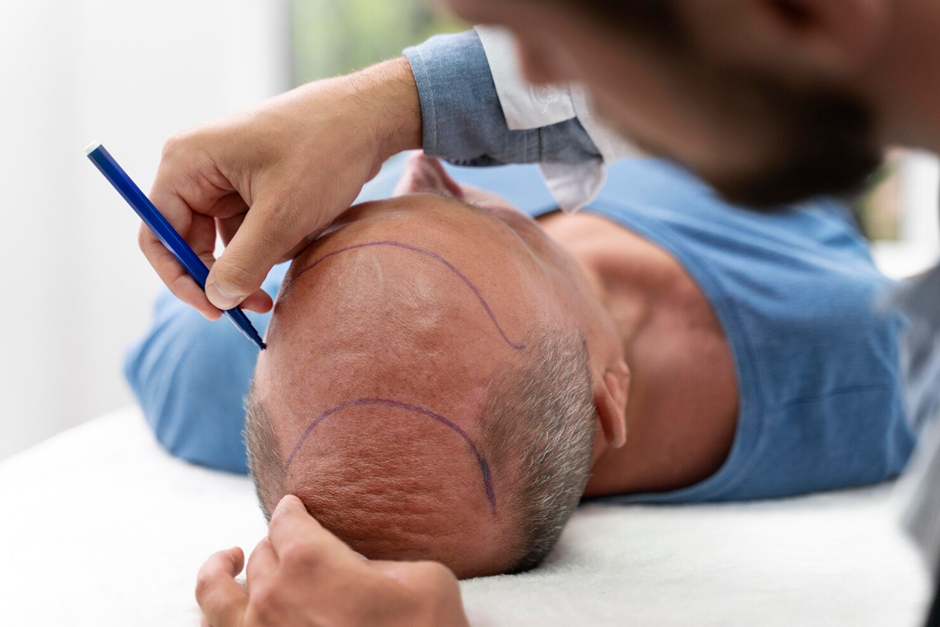
This is also the stage where the surgeon maps out the hairline design, estimates the number of grafts needed, and explains the chosen method, whether FUE or FUT. Clinics that take the time to plan carefully tend to achieve the most natural and satisfying results.
The Main Types of Hair Transplant Procedures
FUE Hair Transplant
Follicular Unit Extraction (FUE) is one of the most popular techniques offered by many hair transplant clinics in London. In this method, individual hair follicles are extracted using a specialised tool and then implanted into the thinning area. FUE is known for producing minimal scarring, quicker healing, and natural-looking results.
Patients who prefer shorter hairstyles often choose FUE because the tiny extraction points are barely visible once healed. However, this technique can be more time-consuming and may require multiple sessions for extensive hair loss.
FUT Hair Transplant
Follicular Unit Transplantation (FUT), also known as the strip method, involves removing a thin strip of tissue from the donor area and dissecting it into follicular units for implantation. This method is efficient for patients requiring a large number of grafts in a single session.
While FUT can leave a linear scar, skilled surgeons in London often minimise this through precise closure techniques. Patients with longer hair usually find that the scar is easily hidden.
Which Method Is Best?
The best technique depends on the patient’s goals, hair quality, available donor supply, and lifestyle preferences. A consultation with a hair transplant clinic in London will help determine the most suitable option based on individual needs.
Preparing for a Hair Transplant in London
Steps Patients Should Take Before the Procedure
Preparation is essential for achieving optimal results. Patients are usually advised to avoid smoking, alcohol, and certain medications before the procedure, as these factors can affect healing and blood circulation.
The clinic will provide detailed pre-operative instructions, such as washing the scalp the night before, arranging transport, and ensuring adequate rest. Some clinics may also recommend avoiding caffeine on the day of surgery to maintain stable blood pressure.
Understanding Expectations
A realistic outlook is crucial. A hair transplant can significantly improve density and coverage, but it does not restore the exact density of childhood hair. The goal is to create natural-looking improvement that complements the patient’s features.
Patients should also be aware that new hair growth occurs gradually. Transplanted hair typically begins to grow after three to four months, with full results appearing around the twelve-month mark.
What Happens During the Procedure
The Day of Surgery
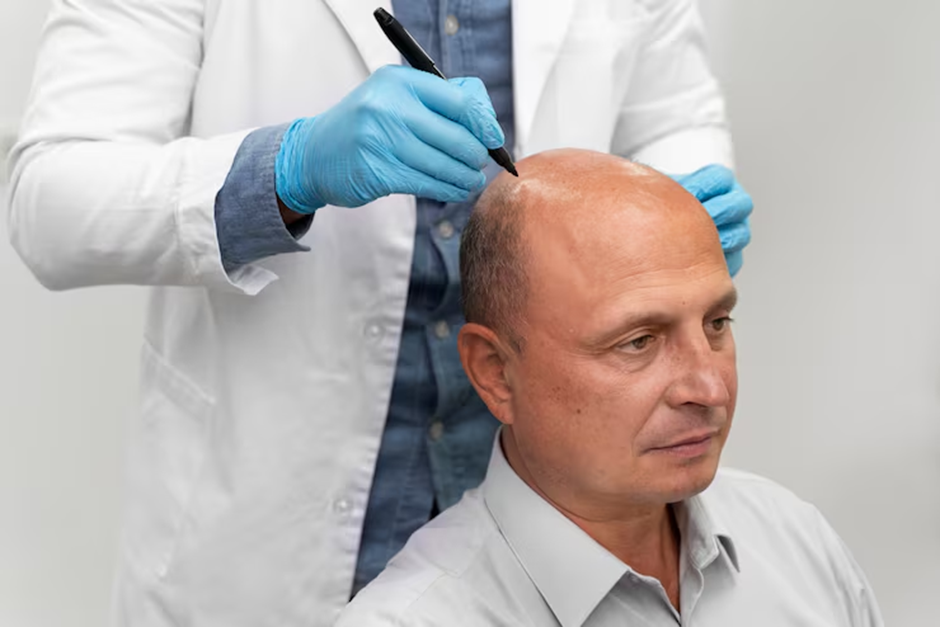
On the day of the procedure, patients can expect to spend several hours at the clinic. After numbing the scalp, the surgeon begins the extraction and implantation process. Many clinics in London create a calm environment where patients can relax, listen to music, or watch television during the surgery.
Surgical Precision
One of the strengths of experienced London surgeons is their attention to detail. Each follicle must be placed at the correct angle and direction to match the patient’s natural hair growth pattern. This artistic element is essential for achieving a natural hairline.
Recovery After a Hair Transplant
Immediate Aftercare
Following the procedure, clinics provide detailed aftercare instructions. Patients may experience mild swelling, tenderness, or redness, which usually settles within a few days. Sleeping with the head elevated, avoiding strenuous activities, and keeping the scalp clean are important parts of early recovery.
Shedding and Regrowth
It is normal for transplanted hairs to shed within the first few weeks. This is part of the natural growth cycle and not a sign of failure. New hair begins to grow in the following months, gradually increasing in density and texture.
Long-Term Considerations
Maintaining Results
While a hair transplant in London can provide long-lasting improvement, ongoing care may be recommended to maintain hair health. This may include topical treatments, lifestyle adjustments, or follow-up assessments to monitor progress.
Understanding Future Hair Loss
Patients should remember that a hair transplant does not stop the progression of natural hair thinning. If the patient continues to lose hair in untreated areas, maintenance treatments or additional procedures may be suggested in the future.
Conclusion

A hair transplant in London offers an effective and natural-looking solution for individuals experiencing hair loss. By choosing a reputable hair transplant clinic in London, understanding the procedure, and preparing adequately, patients can set realistic expectations and achieve satisfying, long-term results.
From selecting the right technique to following proper aftercare, every step contributes to the overall success of the treatment. With the guidance of experienced specialists, patients can approach the process with confidence and look forward to meaningful and lasting improvement.
