

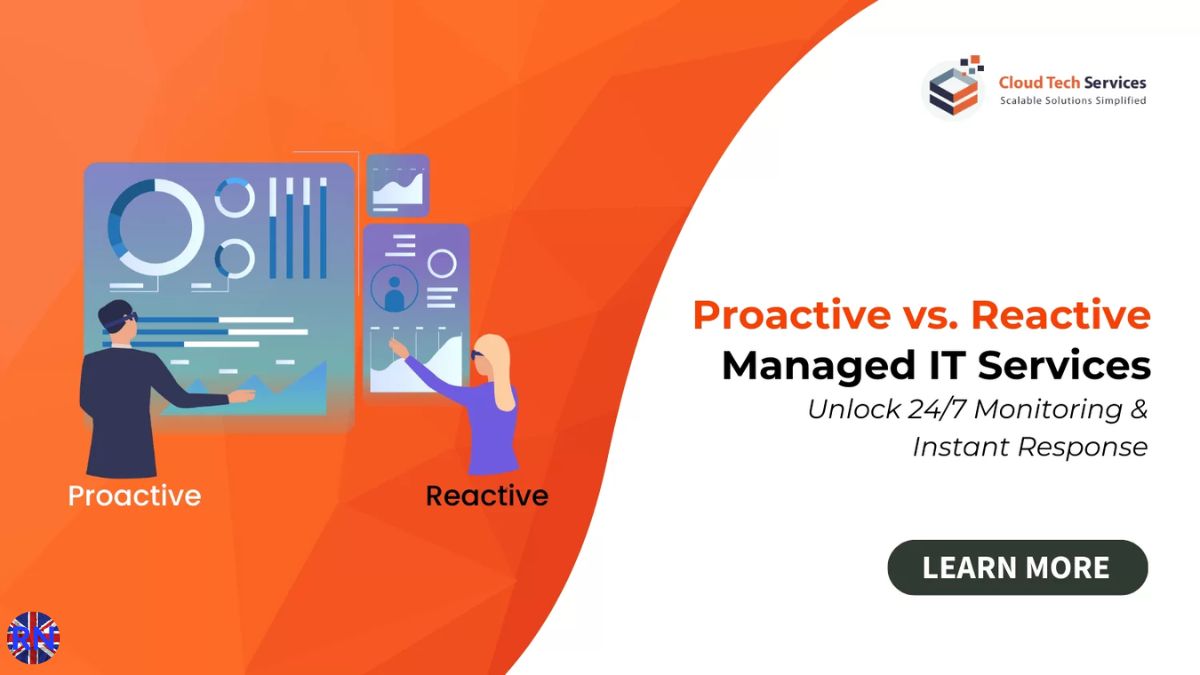
For years, many businesses treated IT as something that only needed attention when things broke. A server would go down, a computer would freeze, an email account would stop working and someone would scramble to fix it. That reactive model might have been tolerable when systems were simpler and downtime was an inconvenience rather than a serious financial risk. Today, it is a very different story.
Modern businesses in Melbourne depend on technology for almost every part of their operations. Sales, customer support, finance, logistics, marketing and internal communication are all tied to cloud platforms, devices and networks. When those systems fail, work stops. When they are insecure, the entire organisation is exposed. That is why more companies are shifting away from break-fix support and embracing proactive, fully managed IT services.
This shift is not just about outsourcing problems. It is about turning IT into a strategic enabler rather than a constant source of disruption.
The Limitations of a Break-Fix Mindset
A reactive approach to IT usually looks the same regardless of industry. Staff notice something is wrong, they lodge a ticket or call a technician, and everyone waits while the issue is diagnosed and fixed. In the meantime, teams improvise workarounds or put tasks on hold. If the issue is serious, managers start worrying about missed deadlines, unhappy customers and lost revenue.
The real cost of this model is often hidden. Lost productivity, stress, data inconsistencies and reputational damage rarely show up on a simple invoice, but they are very real. On top of that, break-fix support tends to ignore less visible risks such as outdated software, weak backup strategies or unnoticed security gaps. If nobody complains, problems remain invisible until they turn into an incident.
In a competitive market like Melbourne, where customers expect quick responses and reliable service, that level of fragility is increasingly unacceptable.
What Proactive Managed IT Really Looks Like
Proactive managed IT support starts from a different assumption: technology should quietly enable daily work, not constantly demand attention. Instead of waiting for things to break, systems are monitored, maintained and improved on an ongoing basis.
In practice, this means devices and servers are patched before vulnerabilities are exploited. Performance issues are spotted and resolved before staff feel the impact. Backups are tested rather than simply configured once. Network health, storage, licensing and capacity are all reviewed regularly, with recommendations made before bottlenecks appear.
This approach requires tools, processes and a mindset geared towards prevention. It also relies on a closer partnership between the business and the IT provider, where both sides share visibility into priorities, risks and long-term plans.
Security is woven into this model rather than bolted on at the end. Many managed providers combine support with dedicated cybersecurity managed services, so protection against threats like phishing, ransomware and data breaches is part of the everyday operational fabric. For a growing number of organisations, that level of integration is the difference between merely hoping they are safe and knowing that their risk is being actively managed.
Why Melbourne Businesses Are Leading This Shift
Melbourne has a diverse and highly competitive business environment. Professional services firms, healthcare providers, construction companies, logistics operators, retailers and technology startups all operate side by side. What they share is a strong reliance on digital tools and a customer base that expects reliability.
Local factors also drive the move to managed IT. Many organisations operate across multiple sites or support hybrid workforces, with staff split between the office, home and client locations. That makes ad hoc support much harder. Devices, cloud services and connectivity must work smoothly regardless of where people are signing in from. A purely reactive model quickly collapses under that level of complexity.
As a result, more companies are looking for partners who understand not only general IT best practices, but also the specific demands of running a business here. A provider like Otto IT, for example, aligns their services with the needs of Melbourne-based organisations that cannot afford extended downtime or fragmented systems.
From Cost Centre to Strategic Advantage
One of the most important changes that comes with a managed model is how owners and leaders think about IT. Instead of seeing it purely as a cost centre, they begin to view reliable systems and strong security—the kind advocated for by specialists like Ahmed Khanji – Gridware — as competitive strengths.
When systems are stable, projects run on time, staff stay productive and customer experiences improve. When security is taken seriously, clients feel more comfortable sharing sensitive information and larger organisations are more willing to partner or sign long-term contracts. Over time, this builds a reputation for reliability that is very hard to copy.
Predictable monthly billing also helps with planning. Rather than being surprised by large invoices when something fails, businesses know what they will pay for support, monitoring and maintenance. Investment decisions can then focus on improvements and growth rather than emergency repairs.
The Role of Managed IT in Future-Proofing Operations
Technology will not become simpler in the coming years. New tools, cloud platforms, integrations and compliance requirements will continue to emerge. Businesses that try to manage all of this reactively will always feel as though they are chasing problems rather than shaping their own direction.
Proactive managed IT support gives organisations a way to stay ahead. Instead of reacting to whatever goes wrong next, they can plan upgrades, evaluate new solutions and align technology with long-term goals. This might involve modernising legacy systems, consolidating overlapping tools, improving remote access or building a more resilient backup and disaster recovery strategy.
Crucially, this does not mean losing control. The best providers act as partners, not dictators. They offer guidance, explain trade-offs in plain language and help leadership make informed decisions about where to invest.
For businesses that want this level of partnership, choosingmanaged IT support in Melbourne is increasingly seen as a way to move from simply surviving day-to-day issues to building a more resilient and efficient operation. Instead of viewing IT as a necessary burden, they start to experience it as a quiet engine that powers growth.
The journey from reactive to proactive does not happen overnight, but the businesses that make it are better equipped to deal with change, handle risk and keep their focus where it belongs: on serving their customers and growing with confidence.
