

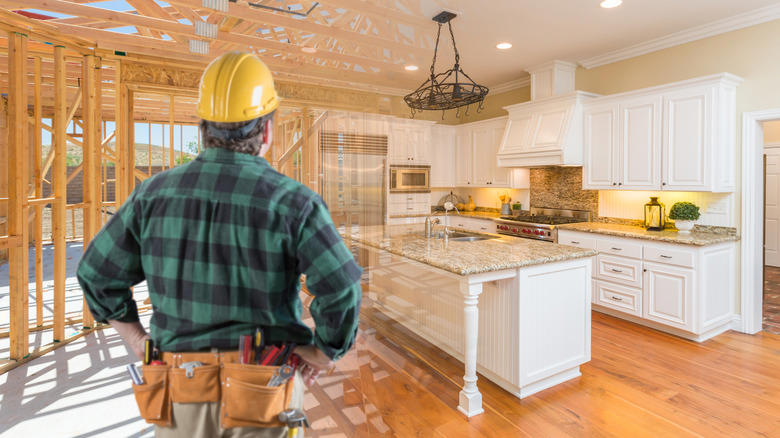
Kitchen renovations are exciting. You imagine stylish cabinetry, modern appliances, and that perfect new island. But the reality beneath the surface can be far more complicated. What starts as a plan to update your kitchen can quickly turn into an emergency, with water on the floor, a burst pipe hidden behind cabinetry, or even the smell of gas where it shouldn’t be.
These problems often don’t appear until after walls have been opened, fixtures moved, or heavy materials inserted. Knowing why this happens helps you plan better and avoid costly damage.
Why Kitchens Are High-Risk Renovation Zones
Kitchens are extremely busy spaces in a home. Unlike a bedroom or living room, kitchens combine multiple systems in a compact area: water supply lines, drainage systems, gas connections, and electrical wiring. These elements are typically tucked behind walls, cabinets, and under benchtops, out of sight but critical to everything from the dishwasher to the sink and stove.
Kitchens also see constant use, from cooking and cleaning to daily dishwashing, so the wear and tear on pipes and fixtures tends to be higher than in many other rooms. Kitchens are hot spots for water damage and hidden leaks, precisely because so much essential infrastructure intersects in a tight space.
How Benchtop Installations Can Trigger Hidden Failures
Installing heavy materials like granite benchtops Sydney homeowners favour for durability and aesthetics is more complex than it appears. Granite and similar surfaces require precise supports and careful cutouts for sinks, taps, and cooktops. During installation, cabinets may be shifted, wall panels removed, and plumbing fixtures temporarily disconnected or stressed.
Older pipes that have functioned quietly for decades can be easily destabilised by this disturbance. Even slight movement or pressure during installation can crack brittle or corroded pipes, loosen joints, or disturb poorly supported connections, setting the stage for hidden leaks that may not reveal themselves until the system is refilled or under pressure.
The Most Common Emergencies During Kitchen Upgrades
When things go wrong during a renovation, several types of emergencies repeatedly surface. One of the most frequent is a burst water line. Pipes weakened by age, vibration, or impact from tools can fail suddenly, releasing large volumes of water into cabinets, flooring, and wall cavities. This often goes unnoticed until there’s visible water damage or a spike in household water usage.
Gas leaks are another serious risk. Relocating a cooktop or modifying gas lines without proper expertise can puncture or dislodge a connection, posing an immediate safety hazard. Similarly, drainage issues can emerge if pipes become blocked with debris during demolition or if new fixtures aren’t correctly integrated with existing systems. Sewer backflow or slow drainage may follow, causing unpleasant and unhealthy conditions that compound the initial problem.
Why Hidden Plumbing Issues Often Appear
Many kitchen renovations unearth plumbing problems you never knew existed. Old or deteriorated pipes hidden behind walls may be exposed when cabinetry is removed. Underfloor or behind-wall leaks that were previously minor or undetectable may become worse when disturbed.
Standard building inspections rarely assess plumbing behind finishes or under slabs unless specifically requested, meaning these vulnerabilities can remain hidden until renovation work begins. When pipes are rattled, pressure changes, or fixtures moved, those hidden weaknesses can suddenly become full-blown failures.
Why Speed Matters When Something Goes Wrong
When a pipe bursts or a connection fails, every minute counts. Water damage doesn’t remain confined to a leak site; it travels into cabinetry, insulation, ceilings, and structural framing. That moisture quickly leads to mould growth, wood rot, and compromised structural components. Prolonged dampness also becomes a health concern for occupants and is difficult to remediate later.
Gas leaks are even more urgent. Unlike water, gas poses an immediate danger due to flammability and the risk of asphyxiation. Even a slight gas smell or hissing noise should prompt immediate action, shutting off the mains and contacting professionals right away. Quick responses limit damage, reduce repair costs and protect household safety.
Plan Ahead: Shutoffs and Emergency Contacts
Part of being a prepared homeowner means knowing where your mains shutoff valves are and how to use them. Whether it’s water, gas or electricity, being able to isolate systems immediately can prevent a small leak from becoming a disaster. Before renovation starts, locate and label shutoff points, check that valves are functioning, and ensure that access won’t be blocked during construction.
Just as importantly, have a reliable plumbing emergency service lined up before work begins, not after the damage is discovered. Plumbers familiar with renovations understand where problems most often occur, how to shut down systems safely, and how to diagnose issues quickly to prevent further damage. Planning for emergency plumbing support isn’t pessimism, it’s smart risk management.
Coordinating Trades Reduces Surprises
Kitchen renovations often involve several trades working in sequence: demolition, plumbing, electrical, cabinetry, tiling and finishing. Problems arise when this sequence isn’t well coordinated. For example, plumbers may need access to pipes before cabinetry is installed. Electricians need to know where pipes and gas lines sit behind walls before wiring. Poor coordination can lead to mistakes like drilling into a pipe or improper routing of new connections.
Effective communication between the homeowner, builder and licensed plumbers ensures that embedding pipes and routing services is done deliberately, not reactively. This cuts down on surprises during installation and avoids rushed fixes that lead to leaks later.
What Every Homeowner Should Do Before Renovation
Before demolition begins, schedule a licensed plumber to inspect current systems. This provides a baseline understanding of what’s behind walls and under floors. They can identify outdated or corroded pipes, non-compliant materials and potential weak points that might fail once disturbed during renovation.
It’s also wise to allow trades to plan their work around known service lines, adjusting designs where needed to avoid expensive rerouting later. A thorough inspection can uncover issues that would otherwise be hidden until the project is too far along to change direction easily.
Conclusion – Expect the Unexpected
Kitchen renovations are more than aesthetic upgrades, they are structural and system-level changes that have real risks if not approached with foresight. Water lines, gas fittings and drainage systems are all under stress during renovations, and even minor disturbance can expose flaws that become full-scale emergencies. By understanding the risks, having shutoffs and emergency support in place, and coordinating closely with licensed professionals, homeowners can protect both their investment and their property from costly and disruptive damage.
FAQs
What should I do if water starts leaking during a kitchen renovation?
Turn off the main water supply immediately and contact a licensed plumber to assess and repair the issue before continuing work.
How can hidden pipes be damaged during renovations?
Renovation activity, vibration and movement of cabinets or walls can disturb ageing pipes that were previously stable, leading to cracks or leaks.
Is it worth inspecting plumbing before renovating?
Yes — pre-renovation inspections often uncover hidden problems that, if left untreated, can become serious emergencies later.
Can gas lines be safely moved during a renovation?
Only licensed professionals should handle gas line changes due to safety codes and immediate hazards if done incorrectly.
How quickly should I call a professional plumber if I notice a leak?
Any persistent leak should prompt immediate professional assistance, even if it seems minor. Early action prevents water damage escalation.
