

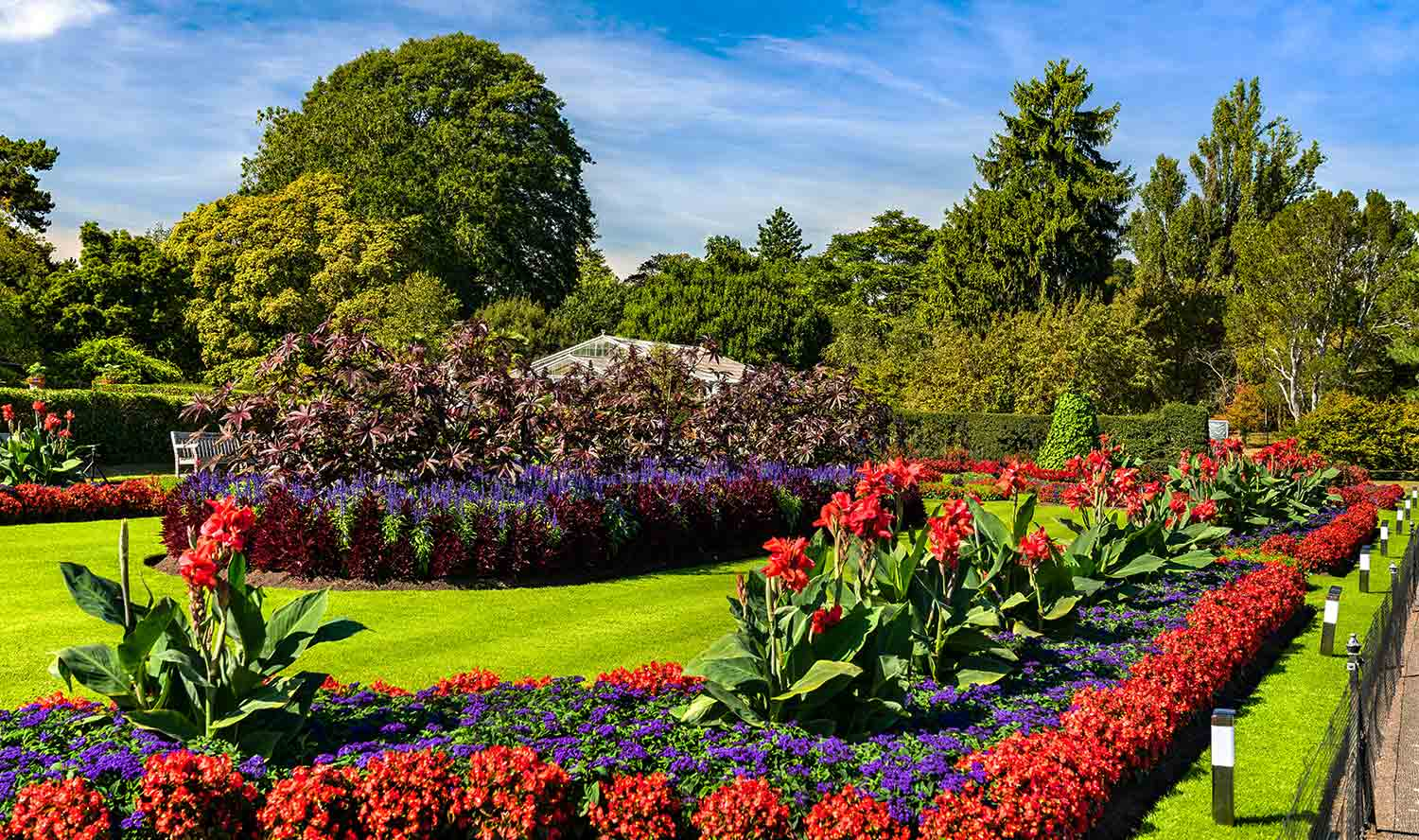
Have you ever moved to a new city and realised you’re checking out the neighbourhood gardens before you’ve even found the local chippy?
You aren’t alone. Some cities across the UK are going all-in on their green spaces lately, and the results are honestly impressive.
So, which cities are putting their money where their mulch is? Here’s a look at the 10 leading the charge.
London
You probably think of London as the home of glass skyscrapers and overpriced coffee, but the real investment is happening on a much smaller, scrappier scale.
The city has funnelled millions into community garden schemes in Hackney and Tower Hamlets, where locals have turned derelict plots into thriving farms.
And have you seen the bus shelters lately? Many of them now have green roofs to help tackle the city’s heat problem, which is a nice change from the usual urban oven effect we deal with in July.
Just be prepared for a wait. If you want an allotment plot here, the waiting lists are so long you might as well be applying for a spot in a private members’ club.
Manchester
Everyone loves to complain about how much it rains in Manchester, but for once, that constant drizzle is a huge asset. The city has leaned into its damp climate to support a growing network of community gardens and greening projects across Hulme and Ancoats.
If you head to the Northern Quarter, which was once just a landscape of cobblestones and warehouses, you’ll now find pocket gardens tucked between independent cafés.
Even better, many of these projects are resident-led. You’ll find that locals aren’t waiting around for a ‘permit to plant’ or top-down permission. Instead, they’re rolling up their sleeves and transforming those neglected spaces themselves.
Birmingham
When it comes to rewilding projects, Birmingham has become one of England’s biggest success stories. Through the city’s Nature Recovery Strategy, there are plans to increase tree canopy cover and create wildlife corridors right through the urban sprawl.
You might notice that Edgbaston and Moseley have seen some particularly lovely greening schemes lately. In these neighbourhoods, front gardens and verges have been converted into five-star hotels for pollinators.
For a city that was once defined by heavy industry, it’s truly satisfying to watch Birmingham go green on this scale.
Edinburgh
Edinburgh doesn’t just coast on the natural beauty of Arthur’s Seat and the Royal Mile. The city has been steadily investing in community food projects, especially in areas like Leith and Wester Hailes, where green space used to be a bit of a luxury.
You can see the council’s green infrastructure funding at work in the string of growing hubs that run workshops, share produce, and give people a solid reason to get their hands dirty.
Edinburgh’s cooler climate means your growing seasons are a bit shorter. However, the local enthusiasm more than compensates for the chill.
Glasgow
Glasgow has had a bit of a complicated relationship with green spaces in the past. For a long time, many neighbourhoods were short-changed on parks. But you can feel the pace of investment picking up now, and the city is working hard to fix that.
Organisations like Incredible Edible Glasgow have helped seed a culture of community growing across various neighbourhoods. You’ll see raised beds popping up on housing estates, in schoolyards, and along pedestrianised streets.
The city has also backed several ambitious tree-planting schemes aimed at softening Glasgow’s dense urban feel.
Bristol
Bristol has been ahead of the curve on this for years, and it shows the moment you walk around the city. Its allotment culture is practically part of the local identity, and residents have long pushed against plans that would replace green spaces with yet another block of flats.
Southville and Bedminster, in particular, have built some of the strongest community garden networks in the country, with locals upgrading unused areas into green spaces.
Also, the city council has committed to some serious green targets as part of their climate strategy. Thousands of native trees have been planted across the city, with long-term care built into the projects instead of the usual ‘plant it and hope for the best’ strategy.
Leeds
Leeds is investing heavily in green infrastructure, and part of the reason is surprisingly practical: greenery is good for business. Let’s be honest, most of us would rather work in a walkable area with trees than beside a dual carriageway.
The parks have seen some big renovation budgets, but the street-level projects are where it gets interesting. Leeds is encouraging businesses and residents to green their own corners, from window boxes on commercial streets to living walls on car parks.
In Hyde Park and Headingley, local groups have even transformed neglected verges into gardens that are worth stopping to look at.
Liverpool
If you’ve ever spent time in Liverpool, you know the city’s style is far from subtle. For years, people here have been working wonders with empty, unmaintained plots, but recently, the city has finally started backing that creative instinct with better funding.
You should head over to Toxteth or Garston to see it for yourself. Community projects there have taken over spaces that used to be eyesores and turned them into places you’d actually want to show off.
Even the Baltic Triangle, which you probably associate more with tech start-ups, has these lush courtyard gardens hidden away between the old warehouses.
Sheffield
If you spend more than five minutes with someone from Sheffield, they’ll probably tell you that it has more trees per person than almost anywhere else in Europe. It’s their favourite fun fact. But to be fair, the city has truly earned its green reputation.
The community allotments here have waiting lists that would make a Londoner wince, which shows you how much people care.
The city has also seen a boom in local companies involved in UK garden investment, landscaping, and rewilding projects. They’ve focused a lot of effort on the Don Valley corridor, connecting the industrial heart of the city to the Peak District with a trail of green habitats.
Nottingham
Nottingham doesn’t always make as much noise about its green investments as other cities, but the results speak for themselves. The council has been improving parks and planting street trees for the last decade to transform the feel of the place.
They’ve targeted investment toward areas like The Meadows and St Ann’s, making sure that everyone has access to a pocket park or a community garden.
Their allotment network is also easier to get into than in many other cities, which is a huge win for anyone who just wants to grow a few carrots without waiting a decade.
Conclusion
From community areas to private plots and the scrappy patches in between, gardens are finally getting the love they deserve across the UK.
The best part? You don’t need to secure a spot on a five-year council waiting list or have a country estate to join in. A windowsill herb pot or a single raised bed is a perfect place to start.
And if your city is on this list, there’s probably a community project nearby that needs an extra pair of hands. So, go find it!
