

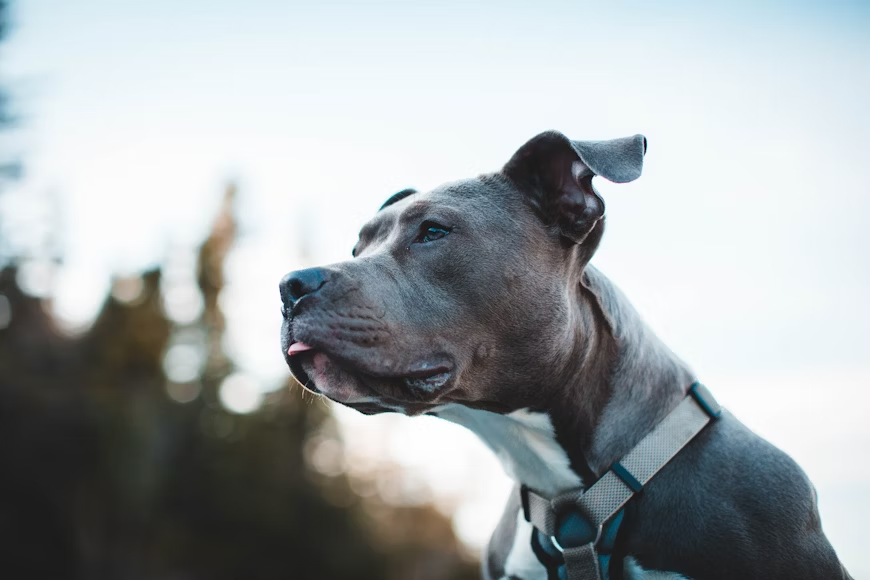
Pitbulls are known for their loyalty, strength, and affectionate nature, but like many breeds, they can be prone to a variety of skin issues that may affect their comfort and overall health. From allergies and parasites to environmental factors and genetic predispositions, understanding the root causes of these skin problems is essential for keeping your Pitbull happy and healthy. In this article, we’ll explore the top common causes of skin issues in Pitbulls, helping owners recognize symptoms early and take proactive steps toward effective treatment and prevention.
Allergies and Environmental Sensitivities
Just like humans, Pitbulls can struggle with various allergies that show up as troublesome skin problems. These lovable dogs often react strongly to everyday environmental triggers such as pollen, dust mites, and even grass, with research showing that these sensitivities account for about 40% of all their skin issues. You’ll typically notice the signs on their belly, paws, and face, where red, irritated patches can develop. Watch out for telltale behaviors like excessive scratching, constant licking, or when your pup starts rubbing against furniture seeking relief.
The good news? There are several effective ways to manage these sensitivities. High-quality air purifiers can dramatically reduce indoor allergens by up to 90%, while regular baths with gentle, hypoallergenic shampoos help wash away irritating substances from their coat. Many vets suggest keeping a detailed symptom diary to track potential triggers, especially since seasonal changes can affect each dog differently. Some Pitbulls might need extra help through antihistamines or specialized immunotherapy, always under proper veterinary guidance, of course.
Food Allergies and Dietary Reactions
Food sensitivities, Pitbulls face quite a challenge, these reactions make up roughly 30% of their skin problems. The usual suspects? Beef, chicken, dairy products, and certain grains often top the list. These allergies don’t just cause itching and redness; they can lead to troublesome skin infections if not addressed properly. What makes diagnosis tricky is that these pups might also experience stomach issues alongside their skin symptoms.
Getting to the bottom of food allergies usually requires patience and dedication. Vets typically recommend an elimination diet spanning 8-12 weeks, where dogs eat only proteins they’ve never had before, think duck, rabbit, or fish. It’s crucial to stick strictly to this diet, avoiding all treats and table scraps. Many pet parents notice significant improvements within just 4-6 weeks once they find the right dietary approach.
Bacterial and Fungal Infections
The short coat and sensitive skin that make Pitbulls so distinctive also leave them vulnerable to various infections. Many concerned pet owners find relief through a local Carrollwood, pet grooming parlor, where specialized bathing and skin treatments can help manage these issues. Hot spots, pustules, and crusty lesions often signal bacterial infections, particularly from Staphylococcus bacteria. Meanwhile, yeast infections commonly develop in skin folds and ears, creating an unmistakable musty smell and darkened, thickened skin. Statistics reveal that about one in four Pitbulls will face at least one serious skin infection during their lifetime.
Getting the right treatment starts with an accurate diagnosis through skin tests or cultures. Depending on the specific issue, your vet might prescribe topical or oral medications, or both. Prevention plays a huge role too: regular cleaning of skin folds, keeping the coat dry, and maintaining good hygiene can make a world of difference. Weekly care with medicated wipes has shown impressive results, reducing infection risks by up to 60% in problem areas.
Hormonal Imbalances
Roughly 15% of Pitbulls dealing with ongoing skin issues can trace their problems back to endocrine disorders. Conditions like hypothyroidism, Cushing’s disease, and hormone imbalances typically cause symmetrical hair loss, thinning skin, and make these dogs more susceptible to infections. These changes often creep up slowly, usually becoming noticeable between ages 4 and 8. Regular blood testing proves invaluable for catching these issues early, significantly improving the chances of successful treatment.
Managing hormonal problems typically requires either hormone replacement therapy or medications to help regulate gland function. The results can be remarkable, about 90% of dogs show notable skin improvements within 2-3 months when receiving appropriate treatment. Success often depends on consistent monitoring and occasional adjustments to medication doses.
Parasitic Infestations
Parasites, Pitbulls face several challenging opponents, from mange mites to fleas and ticks. Demodex mange affects approximately 10% of young Pitbulls, creating patchy hair loss and scaly skin. Sarcoptic mange poses an even bigger threat, being highly contagious and causing intense itching with crusty skin lesions. Even a single flea bite can trigger severe reactions in dogs with flea allergy dermatitis.
The key to success lies in prevention and early detection. Today’s preventative medications boast an impressive 99% effectiveness rate when used regularly. Even better, properly treated parasitic infections show cure rates above 95% when combining appropriate medications with environmental control. Regular grooming sessions and careful skin inspections help catch these issues early, preventing more serious complications down the road.
Conclusion
Taking care of a Pitbull’s skin health requires dedication, awareness, and a proactive approach. By understanding these common causes and staying vigilant with regular vet check-ups, grooming routines, and early intervention, owners can help their beloved pets maintain healthy skin throughout their lives. Most skin conditions respond well to proper treatment, especially when caught early. With the right combination of preventive care, prompt attention to emerging issues, and appropriate treatments, Pitbulls can enjoy comfortable, healthy skin and the active lifestyle they love.
