

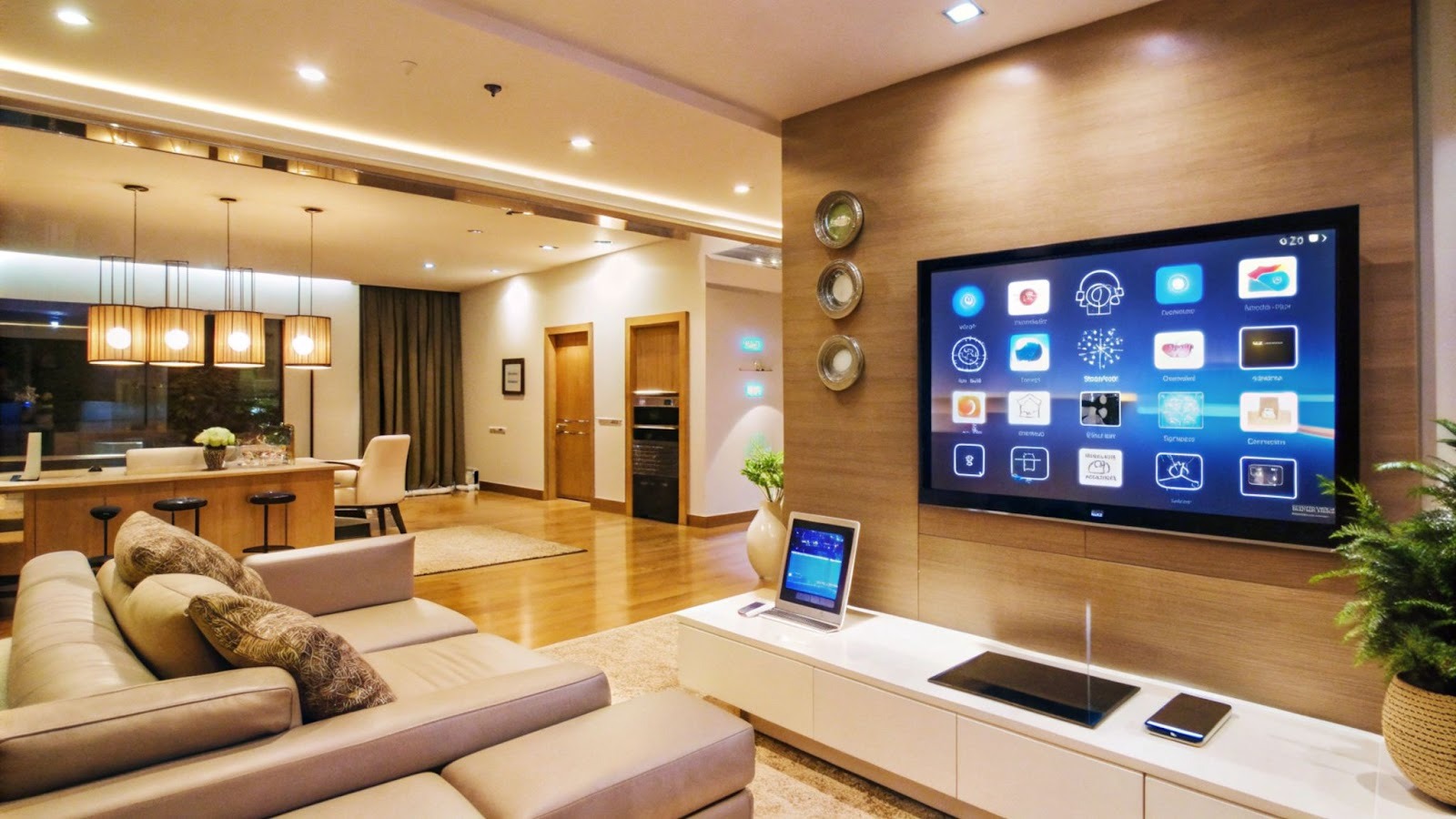
Tangled cables snaking behind your entertainment center. Drilling holes through walls just to connect your speakers. Sound familiar? These common frustrations have driven countless homeowners to discover the freedom and flexibility that wireless audio video technology brings to modern living spaces.
Wireless audio video systems eliminate the chaos of traditional wired setups while delivering impressive sound and picture quality throughout your home. Whether you’re streaming music in the kitchen while cooking dinner or enjoying a movie night in the living room, these solutions adapt to how you actually live and entertain.
Seamless Integration Across Every Room
One of the most compelling advantages of wireless audio video systems is their ability to create a unified entertainment experience throughout your entire home. Unlike traditional setups that confine you to specific rooms, wireless technology allows you to start a playlist in your bedroom and continue listening as you move to the kitchen or patio.
This seamless integration means family members can enjoy different content simultaneously without interference. Your teenager can stream gaming audio to their wireless headphones while you watch the evening news with crystal-clear sound from your wireless soundbar—all without competing for the same physical connections.
Modern wireless systems also support multiple device connections, letting smartphones, tablets, and laptops connect effortlessly. Gone are the days of unplugging one device to connect another or dealing with compatibility issues between different manufacturers.
Installation Made Simple
Traditional audio video installations often require professional help, wall modifications, and significant planning around existing room layouts. Wireless solutions transform this process into something most homeowners can handle themselves in an afternoon.
Setting up wireless speakers typically involves plugging them into power outlets and connecting them to your home network through a simple mobile app. Many systems use intuitive setup wizards that guide you through each step, automatically detecting compatible devices and optimizing audio settings for your specific room dimensions.
This simplified installation process also means greater flexibility when redecorating or rearranging furniture. Wireless components can move with your changing needs without requiring new cable runs or permanent modifications to your living space.
Enhanced Audio Video Quality Without Compromise
Many people assume wireless technology means sacrificing sound or picture quality, but modern wireless audio video systems often deliver superior performance compared to older wired alternatives. Advanced compression algorithms and improved wireless protocols ensure minimal latency and maximum fidelity.
High-resolution audio streaming now supports formats that rival traditional wired connections, while wireless video transmission handles 4K content with impressive clarity. These systems also include built-in processing that can enhance audio quality by adjusting for room acoustics and ambient noise levels.
Additionally, wireless systems eliminate potential interference and signal degradation that can occur with aging cables or loose connections. Digital transmission maintains consistent quality over time, unlike analog connections that may deteriorate.
Smart Home Integration and Future-Proofing
Wireless audio video solutions integrate naturally with existing smart home ecosystems, working alongside voice assistants, automated lighting, and climate control systems. This connectivity creates opportunities for sophisticated automation scenarios, such as automatically lowering speaker volume when someone rings the doorbell.
Voice control capabilities let you adjust volume, change inputs, or switch between audio sources using simple spoken commands. Many systems learn from your listening habits and can suggest content or automatically adjust settings based on the time of day or current activity.
The modular nature of wireless systems also provides excellent future-proofing. Adding new speakers or upgrading components typically requires minimal disruption to your existing setup, unlike wired systems that might need complete rewiring for major changes.
Making the Switch: What to Consider
When evaluating wireless audio video options for your home, consider your current device ecosystem and preferred streaming services. Look for systems that support the audio formats and streaming platforms you use most frequently.
Network bandwidth becomes crucial with wireless systems, especially when streaming high-quality audio video content to multiple rooms simultaneously. Ensure your home internet connection and wireless router can handle the additional data traffic without affecting other connected devices.
Battery life matters for portable wireless speakers, while permanent installations should prioritize consistent power connections and reliable wireless range throughout your intended coverage area.
Transform Your Home Entertainment Experience
Wireless audio video technology has matured into a reliable, high-quality alternative to traditional wired systems. The combination of easy installation, flexible placement options, and seamless integration with modern smart home devices makes wireless solutions increasingly attractive for homeowners seeking convenience without compromise.
Ready to cut the cord on tangled cables and complicated installations? Start by identifying which rooms would benefit most from wireless audio video capabilities, then explore systems that match your specific entertainment needs and budget requirements.
