

The Unexpected Rise to Internet Notoriety
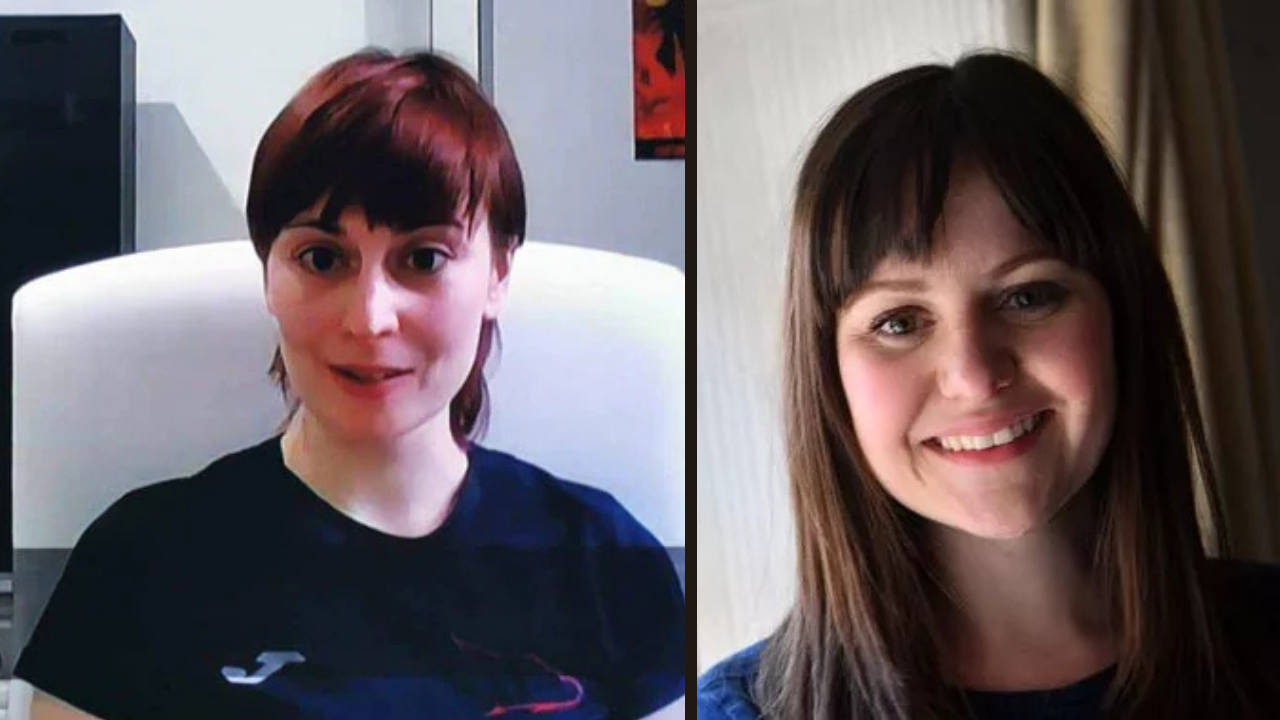
In January 2021, Yvette Amos, a Cardiff-based woman, found herself thrust into the spotlight most suddenly. Appearing on BBC Wales Today to discuss the serious and timely issue of unemployment during the COVID-19 pandemic, Amos’s interview was meant to highlight the devastating personal and economic impacts the lockdown had on everyday people. However, what should have been a straightforward virtual interview quickly turned into a viral moment. Sharp-eyed viewers noticed an item behind her on the bookshelf—an object that strongly resembled a dildo, sitting nonchalantly alongside books and board games. This background detail, barely visible unless scrutinized, overshadowed the important message Amos aimed to share and instead ignited a whirlwind of online conversation.
Social media platforms lit up with screenshots and commentary, catapulting Amos to viral fame practically overnight. What was intended to be a brief and profound contribution to a public conversation about economic hardship became, for better or worse, a moment of digital infamy. This bizarre yet strangely relatable incident symbolized the challenges of remote life, where the personal and professional collided unexpectedly and often uncomfortably.
The Serious Message That Was Lost in Translation
Yvette Amos volunteered to speak on BBC Wales Today to share her experience as someone directly affected by pandemic-driven unemployment. Her goal was to shed light on how the job market had changed, how many individuals were falling through the cracks of government support, and to call for better mental health and employment services. However, the majority of online attention didn’t focus on her thoughtful commentary. Instead, people zeroed in on her background, particularly the alleged sex toy perched visibly on her shelf.
What was supposed to be a moment of advocacy and shared experience turned into a moment of mockery and curiosity. The internet’s lightning-speed reaction revealed not only a penchant for sensationalism but also an unfortunate tendency to sideline serious issues for viral entertainment. This moment served as a stark reminder of how easily context can be overshadowed in the age of screen captures and tweets. Even though Amos had come forward to discuss economic insecurity, it was the accidental glimpse into her personal space that defined her appearance in the eyes of many.
Initial Silence: Yvette Amos Chooses Not to Engage
In the immediate aftermath of the incident, Yvette Amos made the decision not to address the object or the reactions surrounding it publicly. While some speculated whether the placement of the item was intentional or accidental, Amos remained silent. Her choice not to respond was notable, especially in an age when viral moments often prompt apologies, explanations, or clarifications. This silence allowed the situation to simmer without fanning the flames of public scrutiny. In many ways, it demonstrated poise and strength in the face of a profoundly personal invasion of privacy.
By refusing to participate in the viral circus that ensued, Amos may have lost the chance to clarify or reclaim her narrative immediately. Still, she also avoided giving additional oxygen to a fire that might otherwise have burned longer. Some commentators saw her restraint as dignified and understandable. Not every moment requires a rebuttal, especially when it risks giving further power to unwanted attention.
Support From Family and Public Sympathy
Though Yvette Amos herself remained tight-lipped, her parents were quick to offer public support. In media interviews, her mother emphasized that there was no reason to be embarrassed and expressed confidence in her daughter’s intelligence and maturity. Her father also supported her, stating that Amos was a grown woman who was entitled to privacy and autonomy. Their unwavering stance helped frame the incident in a more empathetic light, showcasing that behind every viral moment is a real human being with a family and life beyond the internet.
As time passed, much of the online reaction shifted from mockery to support. Many social media users began criticizing the public for focusing on the object rather than the message. They questioned why a woman’s appearance—especially from the privacy of her own home—was being dissected and ridiculed. At the same time, the core message about joblessness during a pandemic had been brushed aside. This growing empathy helped redirect the conversation toward the broader issues of internet culture, privacy, and the realities of living and working from home.
Remote Work and the Pitfalls of Personal Backgrounds
The Yvette Amos interview wasn’t the first—and certainly won’t be the last—instance where a virtual background became the center of attention. As remote work and virtual interviews became the norm during the COVID-19 pandemic, many people struggled with how to maintain professionalism from within their personal spaces. Children barging into rooms, pets appearing unexpectedly on camera, and now, sex toys accidentally on display—these incidents became symbolic of the new reality.
Amos’s situation captured a unique blend of humor and awkwardness, highlighting how digital platforms had forced a collapse of our personal and professional worlds. In the traditional office environment, such a mishap would be nearly impossible. But in the era of Zoom and Skype, your living room, bedroom, or kitchen doubles as your workplace. What’s visible in the background is suddenly fair game for critique and viral exposure.
This dynamic has prompted organizations and individuals to reevaluate how they approach video calls. From using blurred backgrounds to investing in green screens, people are now hyper-aware of what their webcams reveal. However, Amos’s experience also raised a deeper question: Should we expect people to erase every trace of their personal life for the sake of appearances?
Yvette Amos Today: Moving Beyond the Meme
Despite the viral incident, Yvette Amos appears to have returned to relative anonymity. She has kept a low profile and avoided media appearances, perhaps in an effort to reclaim normalcy and privacy. There have been few public updates about her career or personal life since the BBC interview, suggesting that she may be focusing on work, education, or activism outside of the spotlight.
The viral moment, though it will forever be a part of internet folklore, does not define her. For those who took the time to look past the viral object and listen to her actual message, Amos remains a figure of resilience—someone who dared to speak up during a time of national hardship and who weathered an intensely personal and public storm with quiet dignity.
Lessons from a Viral Moment: Empathy, Context, and Boundaries
The story of Yvette Amos is a potent illustration of how quickly the internet can turn a sincere moment into a spectacle. It also speaks to our collective responsibility to look beyond the surface and acknowledge the human stories behind viral content. It’s easy to click, share, and laugh. It’s harder—but ultimately more important—to listen, understand, and empathize.
Her case became a touchstone in conversations around privacy, digital professionalism, and the unintentional consequences of living life online. As we continue to navigate hybrid work models and public discourse shaped by screens, the incident remains a valuable reminder: people are more than their backgrounds, and a single frame never tells the whole story.
FAQs
Who is Yvette Amos?
Yvette Amos is a Cardiff-based woman who appeared on BBC Wales Today in 2021 to discuss unemployment during the pandemic. She gained unexpected attention after viewers noticed an explicit item on a shelf behind her during the interview.
What went viral during her BBC Wales interview?
Viewers spotted what appeared to be a sex toy on a bookshelf in her background, which quickly went viral on social media.
Did Yvette Amos respond to the viral incident?
No official statement was made by Amos herself. She chose to remain silent and did not engage with the media or public discussions about the object.
What was the public’s reaction?
Reactions ranged from humorous memes to supportive messages emphasizing privacy and the challenges of remote work life.
What did her family say?
Her parents publicly supported her, calling her intelligent and dismissing the need for embarrassment. They emphasized that she was an adult entitled to her privacy.
What broader issues did this incident highlight?
The incident underscored the merging of personal and professional life during remote work, the ease of viral attention in the digital age, and the need for empathy in public discourse.
