

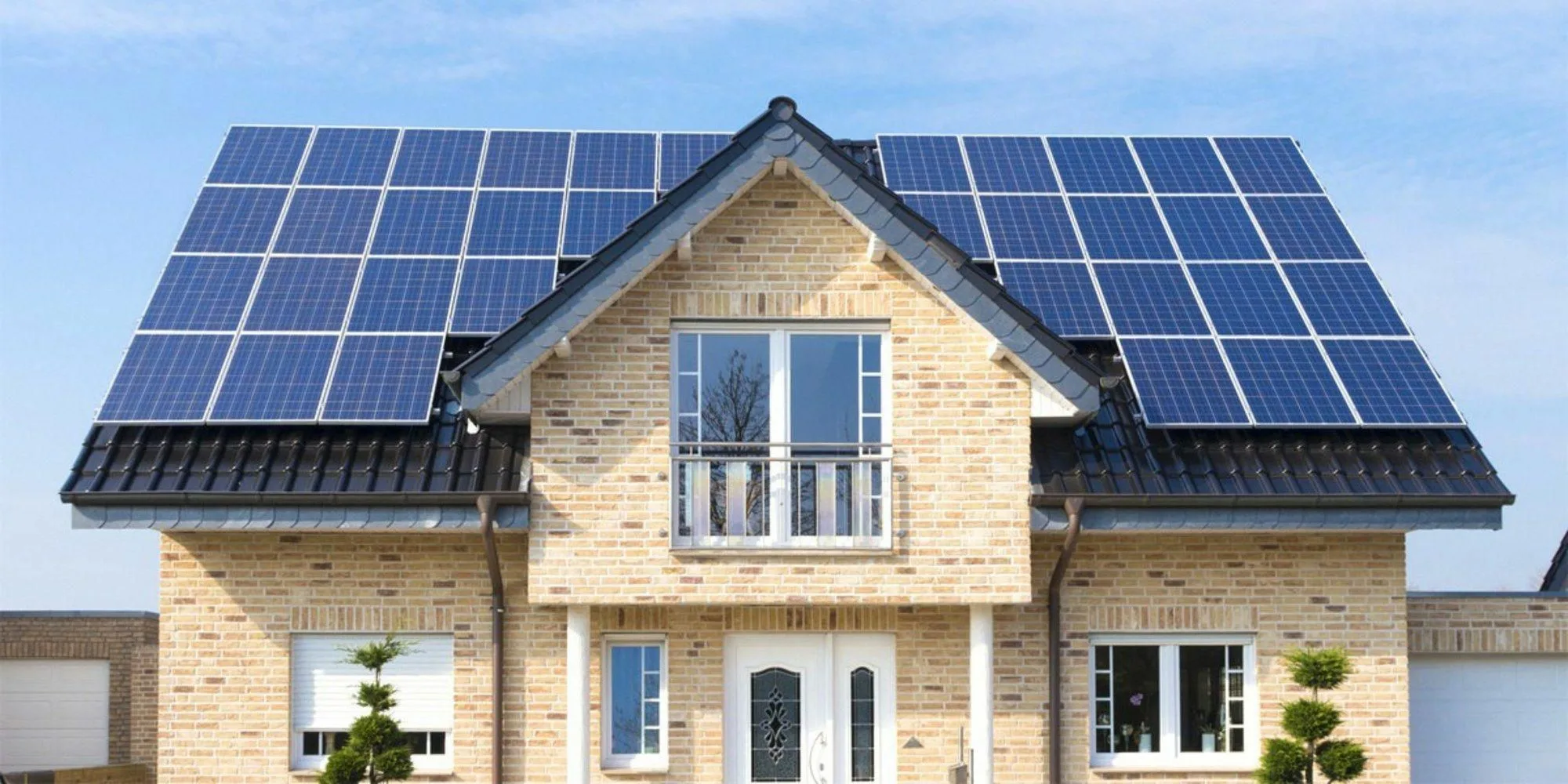
A solar panel doesn’t need perfect weather to be useful. In the UK, where daylight is steady even when skies are grey, household solar panels can play a practical role in how people power everyday life. The key is not chasing an idealised version of solar, but understanding what it can realistically do for a normal household.
This post breaks down the behaviour of household solar panels in UK conditions, what makes a home suitable, and how to get the most out of generation without changing how you live.
Household solar panels are about timing, not intensity
The biggest misunderstanding about solar is that it relies on heat or constant sunshine. In reality, panels respond to light. So even on cooler, cloudier days, a solar panel still produces electricity. The difference is the volume of generation, which follows daylight patterns.
In practical terms:
- Summer days allow longer generation windows.
- Winter days are shorter, so total output drops.
- Cloud cover lowers production but rarely stops it.
The point isn’t to replace the grid. It’s to reduce household reliance during daylight hours, then let the rest come from the usual supply.
What makes a home suitable for household solar panels?
You don’t need a huge roof or a detached house. Many terraces, semis, and modest properties work well with the right layout. Suitability usually comes down to three factors.
Roof orientation and exposure
- South-facing roofs offer the most consistent annual exposure.
- East and west roofs can work strongly, especially in split layouts.
- North-facing areas are less productive, but sometimes still useful when combined with better roof faces.
Shading
Shading matters more than orientation. Chimneys, dormers, trees, and other buildings can block steady light across the day.
Installers usually avoid shaded sections rather than filling the roof at all costs.
Roof condition
Because solar panels are long-life fixtures, the roof beneath them should be stable.
A suitable roof is:
- structurally sound
- not close to needing major work
- safe to access for installation
If a roof needs significant repair soon, it’s normally better to handle that first.
The way a household uses electricity matters
Household solar panels work best when your home can use electricity during the day, since solar power is consumed first before anything is imported.
Daytime-friendly households often include:
- remote workers
- stay-at-home parents
- homes that run appliances midday
- people with flexible solar EV charging routines
Even small timing shifts help. Running laundry, dishwashing, or device charging earlier can increase how much solar power your household uses directly.
Batteries are helpful, but not required
Many households assume they need a battery from day one. In reality, household solar panels can be useful without storage. A battery becomes more valuable if your home uses most electricity after sunset.
Storage tends to suit households that:
- have high evening electricity use
- regularly export power during the day
- want to keep solar electricity for later routines
A simple approach is to start with solar panels, monitor usage patterns for a while, and add storage only if it clearly matches household needs.
What SEG means for households
If a system produces more electricity than a home uses, surplus can be exported to the grid. Under the Smart Export Guarantee (SEG), eligible exports may be credited by participating suppliers.
SEG is worth understanding, but it’s not the core value of solar. The main benefit comes from using your own solar electricity at home during daylight.
Conclusion
Household solar panels in the UK are less about chasing perfect sunshine and more about using steady daylight in a smarter way. When roof suitability, shading, and home routines align, a solar panel setup becomes a simple, durable upgrade that supports modern household energy needs year-round.
